For decades, we’ve been fed this unyielding, ridiculous narrative that the only real way to cook over open flames is to throw your food directly onto the naked metal grates. If you aren’t getting aggressive, charred crosshatch marks on every single item on your plate, the purists make you feel like you’re doing it wrong. They treat foil, grill baskets, and parchment paper as training wheels for amateurs too scared of real fire.
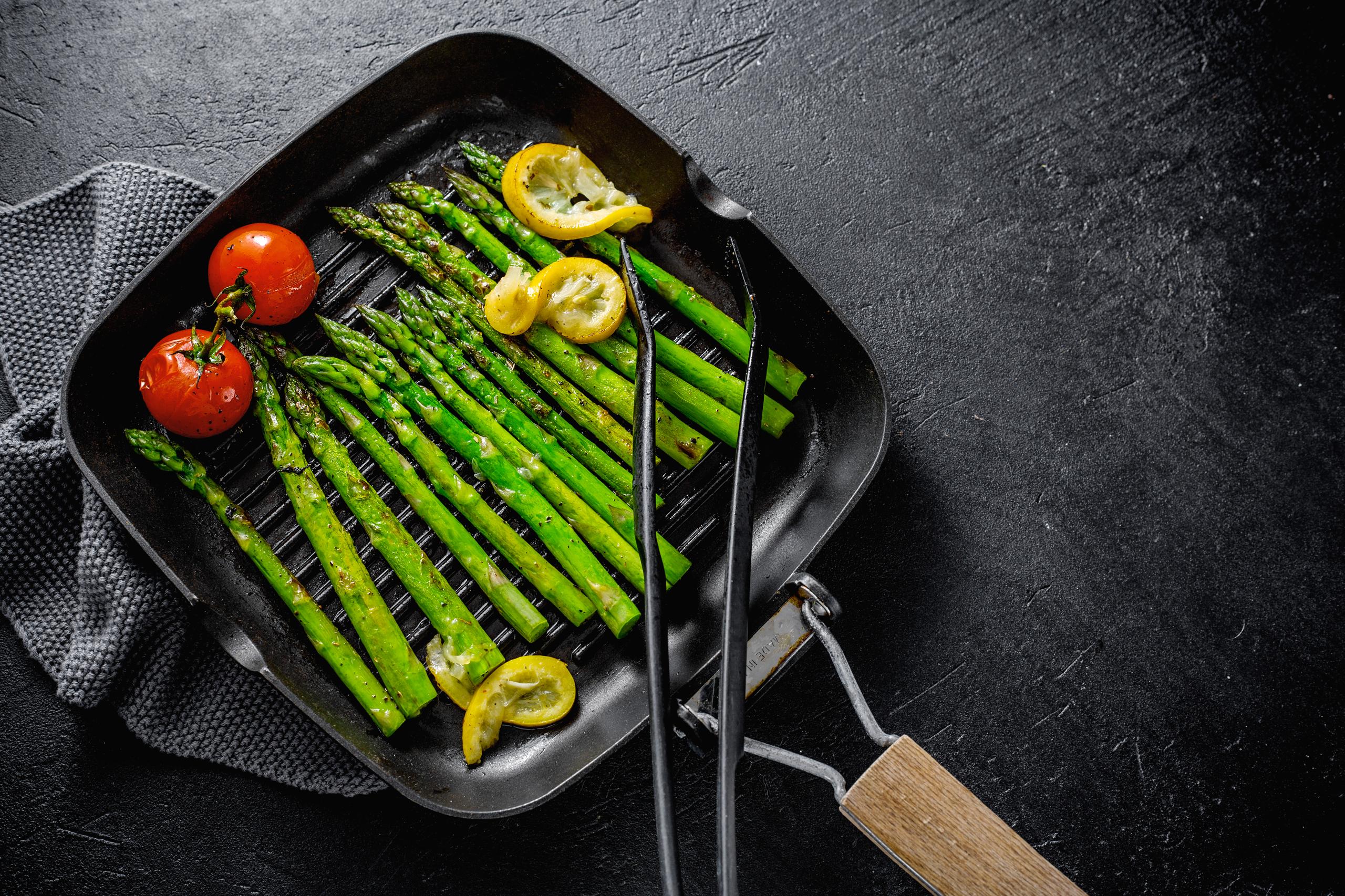
Think about what actually happens every single time you try to throw a bundle of fresh asparagus straight onto a screaming-hot grill. You spend ten minutes meticulously lining up the spears perpendicular to the metal lines, praying that a sudden wind or an accidental nudge of your tongs won’t ruin your night. But inevitably, the fat flares up, you panic, and three of your best spears immediately slip through the gaps, plunging into the fiery abyss of the charcoal briquettes below. The ones that survive don’t fare much better; the tips get completely obliterated into bitter black ash while the thick center of the stalk remains totally raw and woody. This frustration is exactly why alternative methods like using a grill basket or foil packets are essential, especially when you want perfectly cooked, vibrant sides like Healthy Grilled Rainbow Veggies without losing half your dinner to the coals.
Direct-grate vegetable grilling isn’t an art form. It’s a high-stress, low-reward gamble that leaves you with half your side dish incinerated and the other half lost in the bottom of the grill.
If you want to actually enjoy your summer instead of babysitting a bunch of rolling green sticks, it is time to swallow your pride and embrace the absolute magic of the humble foil packet.
The Anatomy of the Perfect 15-Minute Foil Trap
When you wrap asparagus in a tight sheet of heavy-duty aluminum foil, you aren’t faking the grill process; you are actually mastering thermodynamics.
A grill is essentially an outdoor oven that specializes in intense, dry, directional heat. Asparagus, by its very nature, is packed with moisture that needs to be gently coaxed out so the vegetable can soften without drying into a wrinkled green twig. When you seal those spears inside a foil pouch, you create a pressurized microclimate. The intense heat from the flames beneath the metal conducts rapidly, causing the water naturally present in the stalks to vaporize.
This creates a burst of concentrated steam that cooks the asparagus from the inside out in roughly 12 to 15 minutes. It completely takes out the need for constant flipping, hovering, or worrying about hot spots. You place the packet down, close the grill lid, walk away to grab a cold drink, flip it exactly once halfway through, and you’re done.
But here is the catch: you cannot use that cheap, paper-thin aluminum foil sitting at the bottom of your pantry drawer. Standard foil is a recipe for disaster on a grill running at 400°F to 425°F. The second you try to slide your tongs underneath to flip the packet, the cheap metal will tear open, releasing all that precious steam and leaking oil directly onto the burners. Spend the extra two dollars on the heavy-duty stuff. It holds its shape, creates a bulletproof seal, and withstands the intense heat of a charcoal fire without breaking a sweat.
Stop Buying Pencil-Thin Stalks
Walk into any grocery store produce section during the peak spring and summer months, and you will see people gravitating toward the absolute thinnest, wire-like spears of asparagus they can find. They think thin means tender. They think they’re buying the premium cut.
In reality, those pencil-thin spears are completely useless for anything involving high heat. The moment you expose a hyper-thin vegetable to a 400-degree environment, the cell walls collapse instantly. By the time the inside is hot, the outside is a mushy, stringy mess that feels like eating wet grass.
If you want a side dish that actually has some structural integrity and a satisfying bite, look for medium-to-thick stalks. You want spears that feel firm when you squeeze them, with tight, compact, brush-like tips that aren’t starting to splay out or turn slimy.
Once you get your bundle home, preparation takes all of two minutes. Wash them under freezing-cold water to remove any sand from the tips, then pat them completely dry with a dish towel. If you leave them wet, the oil will slide right off, and your seasonings won’t stick.
When it comes to removing the woody, fibrous bottoms, skip the knife. Just grab a stalk near the base with both hands and snap it. The spear will naturally break at the exact point where the tough, unchewable wood ends and the tender, juicy stalk begins. It’s deeply satisfying, and it guarantees you won’t ruin a single bite of your dinner with a mouthful of dental floss texture.
The Four-Ingredient Rule And How to Break It
90 percent of the time, the best things in life are the simplest. You do not need a complicated, twenty-ingredient marinade to make fresh summer produce taste incredible. All it takes is a generous drizzle of high-quality olive oil, a heavy pinch of coarse kosher salt, and a few cracks of black pepper, then toss them right onto the foil sheet before you seal it up. The oil acts as a heat conductor, making sure the seasoning penetrates the skin while giving the asparagus a rich, luxurious mouthfeel that is naturally vegan, paleo, and keto-friendly.
But if you’re bored of the basics, the foil packet method acts as a blank canvas for whatever flavors you’re craving.
- The Bright Finish: Toss a few smashed cloves of garlic and a squeeze of fresh lemon juice into the packet before grilling, then hit it with fresh lemon zest right before serving to cut through the char.
- The Savory Crunch: Skip the salt and dump a tablespoon of everything bagel seasoning into the pouch for a textured, garlicky crust that makes people sit up and take notice.
- The Sweet Tang: Let the asparagus cook plain, then open the packet and drizzle a thick, syrupy balsamic glaze over the hot spears so it bubbles and thickens on contact.
Just remember the golden rule of the foil packet: do not overcrowd the room. If you try to cram two pounds of asparagus into a single small pouch, the spears on the inside will just boil in their own juices while the ones on the outside get mushy. Keep them in a loose, single or double layer so heat can circulate evenly.
What to Do with the Leftovers If You Have Any
If you happen to cook too much, do not even think about throwing the leftovers into the freezer. Thawed asparagus turns into a watery, structural nightmare that belongs in the trash. Instead, lock them in an airtight container in the fridge for up to four days.
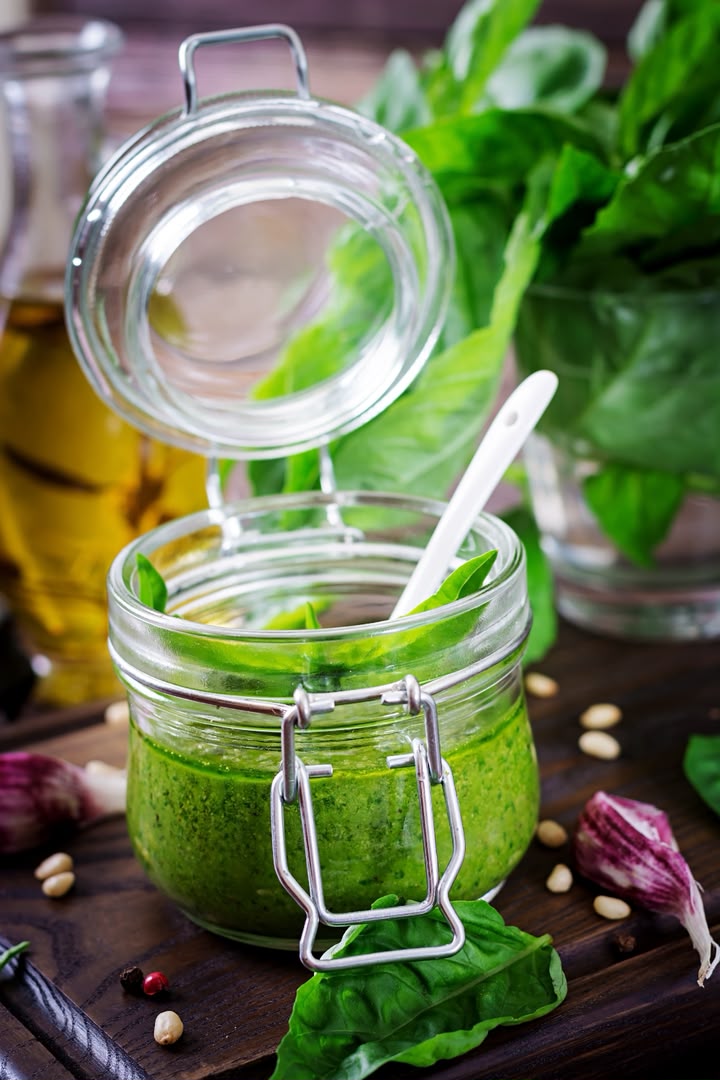
While you can easily reheat them in a hot skillet for two minutes, cold grilled asparagus is an absolute secret weapon for weekday meal prep. Chop the chilled spears up and throw them straight into a morning egg scramble, toss them with a bowl of gluten-free pasta and dairy-free pesto, or use them as a rustic topper for a quick grain bowl.
It is time to stop treating your grill like an execution chamber for delicate vegetables. Put down the tongs, back away from the bare grates, and start letting the foil do the heavy lifting for you.