There is this weird, unyielding, almost aggressive narrative in outdoor cooking culture that if you aren’t throwing your food directly onto naked, searing-hot iron grates, you aren’t really cooking. When it comes to potatoes, throwing them directly onto the grates is a logistical nightmare and a flat-out stupid strategy.
While experimenting with Creative Grill Recipes for Warm Weather can completely transform your backyard cooking game, navigating certain ingredients requires you to break away from standard grilling techniques. Potatoes are incredibly dense, heavy starches loaded with natural moisture. The exact second that raw starch hits dry, screaming-hot metal, it bonds like industrial superglue. You go to flip them, and half the potato stays permanently welded to the grate, leaving you with a torn, messy pile of scraps. Even worse, if you cut them into bite-sized pieces so they don’t take an hour to cook, you end up playing a high-stress game of culinary operation, watching in absolute horror as your dinner slips through the metal gaps and plunges straight into the burning coals below. By the time the potato’s icy, rock-hard center is even remotely soft enough to chew, the exterior has been incinerated into a bitter, black charcoal shell.
Direct-grate potato grilling isn’t an art form. It’s a high-anxiety, low-reward gamble that guarantees uneven cooking, a filthy grill, and a ruined dinner. If you want to actually enjoy your backyard cookout instead of scrubbing scorched starch off your equipment, it is time to swallow your pride, put away the grid lines, and embrace the absolute perfection of a heavy-duty foil packet.
The Total Myth of Par-Boiling
Before we even talk about the foil, we have to burn down the single biggest piece of garbage advice circulating in mainstream cooking forums: the absolute myth that you must boil your potatoes indoors before taking them out to the grill.
Traditional recipes will swear up and down that par-boiling is an unskippable step to ensure the centers get soft. But let’s call that what it is: an absolute waste of your time, your electricity, and your clean dishes.
When you throw raw potato chunks into a giant pot of boiling water, you completely saturate the starch cells with excess liquid. You waterlog the spud. When you take those damp, soggy, pre-boiled pieces out to the grill, that trapped water prevents the olive oil from adhering properly and entirely ruins your chances of getting a real, rustic, authentic crisp on the outer skin. You are essentially turning a great vegetable into a sad, mushy mess before it ever touches an outdoor heat source.
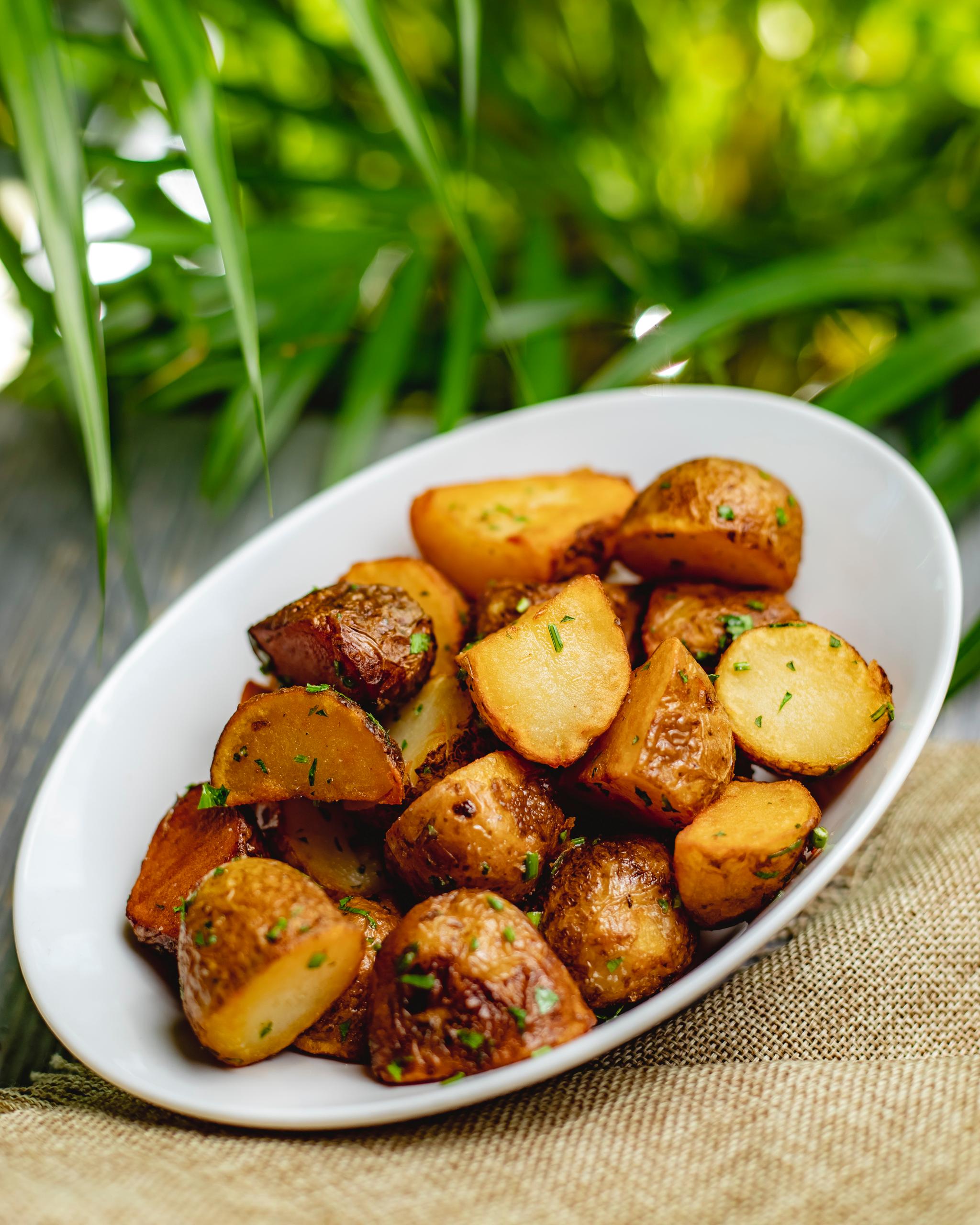
You don’t need an indoor head start. You can get potatoes that are spectacularly caramelized and crispy on the outside while remaining completely pillowy, creamy, and fork-tender on the inside, using nothing but raw spuds, a hot grill set to 400°F, and a properly engineered foil pouch.
The Science of the Single-Side Vent
Wrapping raw potato chunks in aluminum foil isn’t cheating; it’s a masterclass in thermodynamics. When you seal roughly two pounds of uniform, one-inch potato pieces inside a heavy metal pouch with three tablespoons of olive oil and a finely diced yellow onion, you are building a pressurized micro-oven.
As the packet sits over a direct 400°F flame, the intense heat causes the water naturally present in the potatoes and onions to vaporize. This trapped, hyper-concentrated steam rapidly cooks the dense starches from the inside out in about 15 to 20 minutes. The diced onions begin to melt and melt down into the fat, infusing every single potato chunk with a sweet, savory depth of flavor you can’t get from a bare grate.
But if you leave that packet completely airtight, you will end up with a soggy, mushy texture. To unlock the ultimate crispiness, you have to execute one critical human step: poke holes in the foil packet only at the top.
Poking 5 to 6 small vents across the upper layer allows just enough excess steam to escape so the potatoes can roast and fry in the sizzling olive oil rather than drowning in their own condensation. If you make the rookie mistake of piercing the bottom of the pouch, your oil and caramelized juices will drain straight through into the fire, causing massive flare-ups on your burners and leaving your side dish completely dry, scorched, and stuck to the metal.
The Spud Hierarchy: Choose Your Weapon Wisely
While the foil packet method is incredibly forgiving, you cannot just throw any random starch into the bag and expect identical results. You need to understand how different potato varieties react to high-heat steam environments:
- Baby Red Potatoes (The Undisputed King): Red potatoes have a low starch content and a high moisture level, meaning they hold their structural shape perfectly without collapsing into mash. More importantly, their skins are paper-thin. You don’t have to waste ten minutes peeling them while swatting away flies on your deck. You just wash them, pat them completely dry (crucial, or the oil slides right off), and quarter them into clean, one-inch blocks. The thin skin turns into an ultra-crispy, blistered crust that snaps beautifully when you bite into it.
- Yukon Golds: Naturally buttery and rich. They get incredibly creamy in a foil pack, making them an excellent second choice if you want a softer, more decadent interior.
- Russets or Idahos: Highly starchy. If you use these, you must cut them into larger 1.5-inch chunks. They get incredibly fluffy on the inside, but you have to be precise with timing so they don’t break down into a powdery mess.
- Sweet Potatoes: Cut them into tight 1-inch cubes. They take a few extra minutes to soften, but the natural sugars caramelize beautifully against the foil, especially when paired with spicy seasonings.
Flavor Variations and Topping Anarchy
The basic blueprint for a stellar potato pack relies on a classic pantry canvas: garlic powder, onion powder, salt, pepper, and a half-tablespoon of Italian seasoning (or a mix of dried basil and parsley). But keeping things basic gets boring quickly. The foil packet is a blank slate, and you should be aggressively changing the spice profile to match whatever protein you are throwing down next to it.
If you want something smoky, ditch the herbs and use smoked paprika, cayenne pepper, and extra garlic powder; it pairs beautifully with a juicy grilled pork tenderloin. If you want something ridiculously easy for a crowd, drop the standard spices completely and use a full tablespoon of dry ranch seasoning mix; it is the ultimate companion for thick, classic turkey burgers. For a bright, Mediterranean twist that goes perfectly with grilled fish, mix in the fresh zest of a lemon, dried thyme, and wild rosemary.
If you really want to completely steal the show at a cookout, wait until the potatoes are completely fork-tender. Slice the top of the foil pack wide open with a knife, pull back the edges, and immediately dump a mountain of shredded sharp cheddar, crumbled bacon bits, and chopped chives straight onto the hot, sizzling spuds. Close the grill lid for sixty seconds to let the cheese transform into a glorious, bubbling, loaded baked-potato masterpiece. Serve it right out of the metal on the picnic table. No extra serving bowls, no serving spoons, and absolutely zero clean-up.
Surviving the Elements: Rainy Day Backups
A truly resilient cook knows that outdoor plans can vanish in a second when a sudden summer thunderstorm rolls in. If the weather goes sideways right as you finish shaking your seasoned potatoes in your gallon-sized plastic prep bag, do not panic and throw them in the microwave; that will turn the skins into rubbery, inedible trash.
Instead, slide that exact same sealed, vented foil packet onto a baking sheet and pop it into a preheated 400°F indoor oven for 25 to 30 minutes.
Alternatively, if you have an air fryer, scale the recipe down to a slightly smaller pouch that fits comfortably in your basket. Cook it at 400°F for 15 to 18 minutes, giving the basket a vigorous shake halfway through. The concentrated, high-velocity air circulation inside an air fryer makes the edges of the red potatoes so incredibly crispy and blistered that you might actually find yourself skipping the outdoor grill altogether.
If you are going entirely in the opposite direction and roughing it deep in the woods, this is the ultimate campfire survival meal. Double-wrap the potatoes in two layers of heavy-duty foil so no wildfire ash can leak inside, and place the pouch directly onto a bed of glowing, hot campfire coals (never put them straight into active, roaring flames, or you will open up a bag of black ash). Turn the packet every ten minutes with long camping tongs, and in less than half an hour, you’ll have a hot, comforting, high-energy meal after a brutal day of hiking.
Stop fighting against your equipment. Get rid of the boiling water pots, stop scrubbing stuck starch off your dirty grill grates, and start letting the foil do the heavy lifting for you.