Does pesto have dairy? Traditional pesto usually contains Parmesan or Pecorino Romano cheese, which means it is not dairy-free. However, you can enjoy delicious alternatives without cheese. If you love exploring different flavours, you may also enjoy our guides to cilbir, a Turkish egg breakfast with creamy yogurt and chili butter, and old-fashioned Southern tea cakes. With a few simple ingredient swaps, you can make pesto that suits your dietary needs without sacrificing flavor.
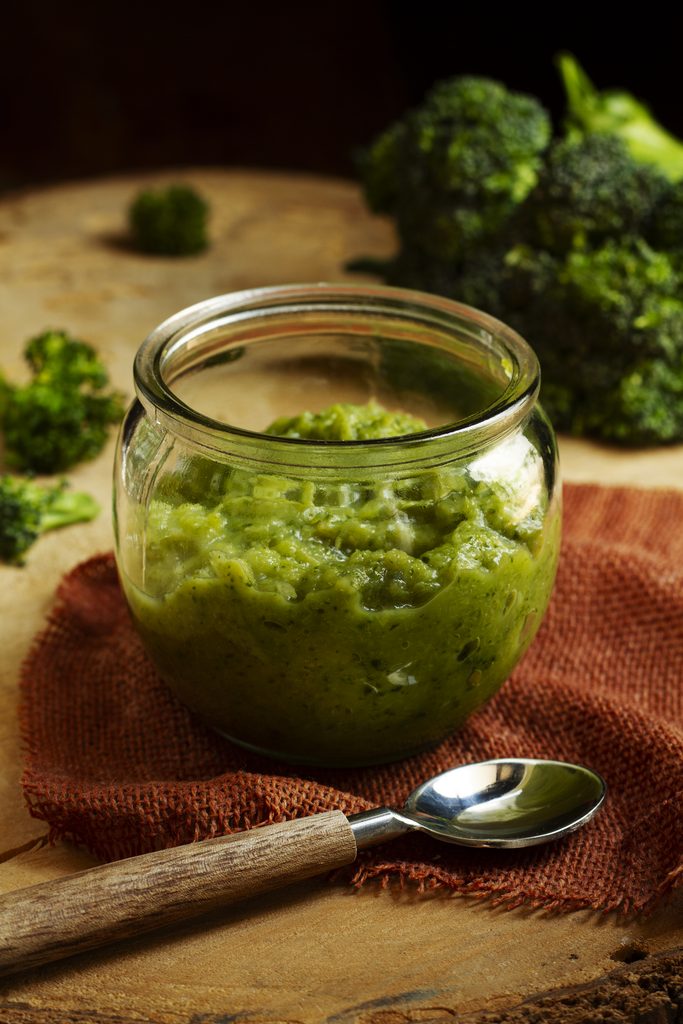
Pesto is a versatile sauce traditionally made with fresh basil, garlic, olive oil, pine nuts, and cheese. It is popular in pasta dishes, sandwiches, salads, and roasted vegetables. However, its ingredients can be confusing if you follow a dairy-free, vegan, or vegetarian diet.
The good news is that you do not have to give up pesto. Understanding its ingredients will help you choose suitable products, prepare homemade alternatives, and discover new flavour combinations.
Table of Contents
- Does Pesto Have Dairy?
- Why Is Pesto Not Vegetarian?
- Is Pesto Vegan?
- Is There Dairy in Store-Bought Pesto?
- How to Make Dairy-Free Pesto
- 22 Easy Dairy-Free Pesto Recipes
- How to Use Dairy-Free Pesto
- How to Store Homemade Pesto
- Frequently Asked Questions
Does Pesto Have Dairy?
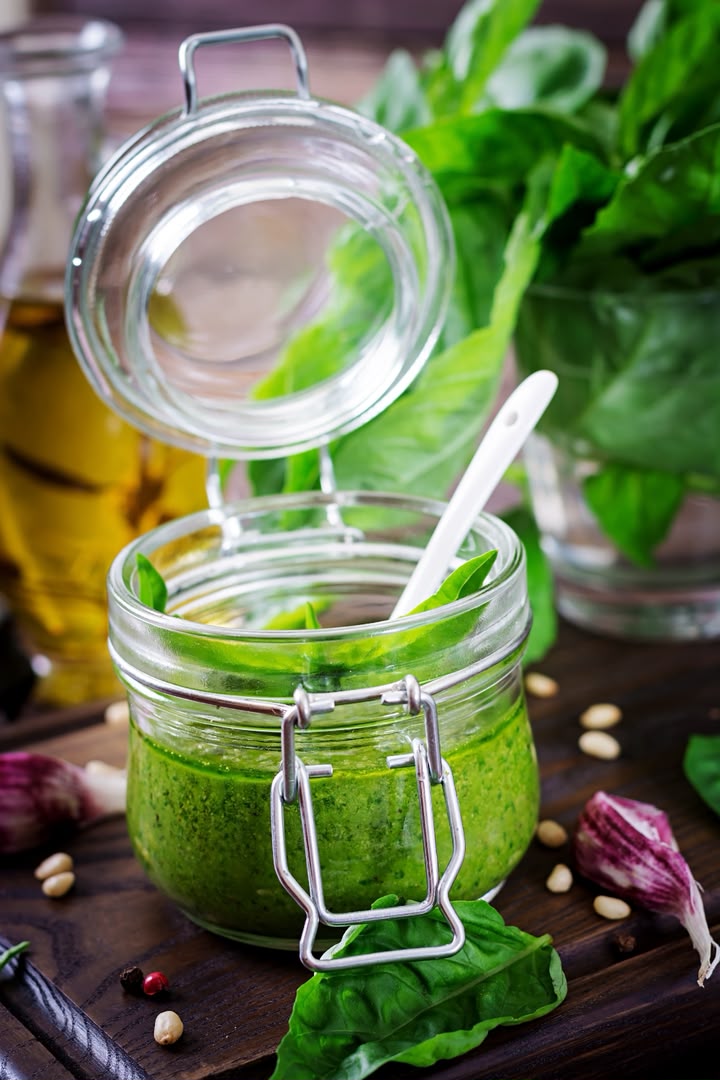
Yes, traditional pesto generally contains dairy because Parmesan or Pecorino Romano cheese is one of its main ingredients. The classic Italian sauce, known as pesto alla Genovese, comes from Genoa in the Liguria region of Italy. Its traditional ingredients include fresh basil, garlic, pine nuts, olive oil, salt, and hard cheese.
Parmesan and Pecorino contribute a savoury, salty flavour that balances the freshness of basil and the richness of olive oil. However, because these cheeses are made from milk, traditional pesto is unsuitable for people who need to avoid dairy.
Not every pesto contains cheese. Some manufacturers produce dairy-free alternatives, while homemade recipes can replace cheese with nutritional yeast, nuts, seeds, or other plant-based ingredients. If you are shopping for pesto, check the ingredient list instead of assuming that every product contains the same ingredients.
Look for milk, Parmesan, Pecorino Romano, and other dairy-derived ingredients. If you have a milk allergy, check the allergen information carefully as well.
Is Pesto Dairy-Free?
Pesto can be dairy-free, but traditional recipes usually are not. A dairy-free pesto recipe simply excludes cheese and uses alternative ingredients to provide flavour and texture.
Nutritional yeast adds a savoury, slightly cheesy taste. Cashews create a creamy consistency, while walnuts, sunflower seeds, and pumpkin seeds offer different flavours and textures. Fresh lemon juice brightens the sauce, and garlic adds the familiar sharpness associated with pesto. These simple ingredients can create a delicious sauce for pasta, vegetables, sandwiches, and many other meals without dairy.
Why Is Pesto Not Vegetarian?
Some traditional pesto is unsuitable for vegetarians because the cheese it contains may be made with animal-derived rennet. Rennet contains enzymes used in cheesemaking to separate milk into curds and whey. Traditional animal rennet is obtained from the stomach lining of young ruminant animals.
Because this ingredient is derived from animals, cheese made with animal rennet is generally unsuitable for vegetarians who avoid ingredients associated with animal slaughter. Parmesan and Pecorino Romano may be made with animal rennet, although the ingredients and production methods vary between products.
This does not mean every pesto is unsuitable for vegetarians. Some cheeses use microbial or plant-based rennet, and certain manufacturers offer vegetarian-friendly pesto.
If you follow a vegetarian diet, check the cheese ingredients and the manufacturer’s information about rennet. You can learn more about vegetarian food choices through the Vegetarian Society.
Is Pesto Vegan?
Traditional pesto is generally not vegan because it contains cheese made from animal milk. Vegan pesto excludes animal-derived ingredients, including dairy products, and uses plant-based alternatives.
A simple vegan pesto recipe can contain:
- Fresh basil
- Extra-virgin olive oil
- Garlic
- Pine nuts or walnuts
- Lemon juice
- Nutritional yeast
- Salt and black pepper
Blend the ingredients until they reach your preferred consistency. Add the olive oil gradually to prevent the sauce from becoming excessively oily. The result is a fresh, flavourful sauce that works well with pasta, vegetables, sandwiches, and salads.
Is There Dairy in Store-Bought Pesto?
There may be dairy in store-bought pesto, depending on the brand and recipe. Many conventional supermarket pestos contain Parmesan, Pecorino Romano, or another type of cheese. Others use plant-based ingredients to achieve a similar savoury flavour. Do not rely on a product’s colour, appearance, or the word “pesto” to determine whether it is dairy-free.
Instead, read the ingredient list carefully. If you follow a vegan diet, check for cheese, milk-derived ingredients, and other animal products.
For people with milk allergies, allergen labelling is especially important. A product labelled vegetarian is not necessarily dairy-free, and a dairy-free product is not automatically vegan.When eating at a restaurant, ask whether the pesto contains cheese and whether a dairy-free alternative is available.
If you have a milk allergy, the NHS food allergy guidance provides additional information about food allergies and managing them.
How to Make Dairy-Free Pesto
Making dairy-free pesto at home is straightforward. You only need a few fresh ingredients and a blender or food processor.
Ingredients
- 2 cups fresh basil leaves
- 1/3 cup walnuts or pine nuts
- 2 tablespoons nutritional yeast
- 1 small garlic clove
- 1 tablespoon fresh lemon juice
- 1/3 cup extra-virgin olive oil
- Salt and black pepper to taste
Instructions
Step 1: Prepare the ingredients. Wash the basil leaves and dry them thoroughly. Check the nuts for freshness before using them.
Step 2: Blend the dry ingredients. Add the basil, nuts, garlic, and nutritional yeast to a food processor. Pulse several times until the ingredients are roughly chopped.
Step 3: Add the lemon juice. Pour in the lemon juice to brighten the flavour and balance the richness of the nuts and oil.
Step 4: Add olive oil gradually. Pulse while slowly adding the oil until the mixture reaches your preferred consistency.
Step 5: Season and taste. Add salt and black pepper. If the pesto tastes too strong, adjust it with a little more basil, nuts, or lemon juice, depending on the flavour you need to balance.
Step 6: Serve immediately. Toss the pesto with warm pasta, spread it on sandwiches, or spoon it over roasted vegetables.
This recipe creates a fresh, dairy-free pesto that you can adjust according to your taste.
22 Easy Dairy-Free Pesto Recipes
Once you understand the basic ingredients, you can experiment with different combinations. These 22 dairy-free pesto recipes offer options for different tastes, budgets, and dietary preferences.
Classic Green Pesto Recipes
1. Dairy-Free Basil Pesto
Blend fresh basil, garlic, pine nuts, olive oil, lemon juice, and nutritional yeast. This is an easy alternative to traditional cheese-based pesto.
2. Spinach and Basil Pesto
Combine baby spinach with basil for a milder flavour. Add walnuts, garlic, olive oil, and lemon juice.
3. Parsley Pesto
Replace basil with fresh parsley. Blend with walnuts, garlic, olive oil, and lemon juice for an earthy, refreshing sauce.
4. Arugula Pesto
Arugula provides a peppery flavour that works well with cashews, olive oil, and lemon juice.
5. Kale Pesto
Blend tender kale leaves with sunflower seeds, garlic, olive oil, and nutritional yeast for a hearty green sauce.
6. Cilantro Pesto
Fresh cilantro creates an aromatic pesto that pairs well with roasted vegetables, rice bowls, and grilled chicken.
Nut-Free and Seed-Based Pesto
7. Sunflower Seed Pesto
Replace pine nuts with sunflower seeds for a budget-friendly alternative. Add nutritional yeast for extra savoury flavour.
8. Pumpkin Seed Pesto
Pumpkin seeds provide an earthy flavour and slightly coarse texture. This pesto works particularly well with roasted vegetables.
9. Hemp Seed Pesto
Blend hemp seeds with basil, garlic, lemon juice, and olive oil for a mild, nutty sauce.
10. Sesame Pesto
Combine a small amount of tahini with herbs, garlic, and lemon juice for a distinctive variation.
11. Mixed Herb Pesto
Combine leftover basil, parsley, and other tender herbs to create a fresh sauce while reducing food waste.
Vegetable-Based Pesto
12. Roasted Red Pepper Pesto
Blend roasted red peppers with walnuts, garlic, olive oil, and lemon juice for a smoky, slightly sweet sauce.
13. Sun-Dried Tomato Pesto
Combine sun-dried tomatoes, almonds, garlic, and olive oil for a rich, savoury alternative to green pesto.
14. Green Pea Pesto
Blend cooked green peas with basil, lemon juice, garlic, and olive oil for a naturally sweet, creamy sauce.
15. Broccoli Pesto
Use cooked, cooled broccoli with pumpkin seeds, garlic, and lemon juice to create a vegetable-rich pesto.
16. Zucchini Pesto
Blend lightly cooked zucchini with basil, sunflower seeds, garlic, and olive oil. Remove excess water first to avoid a runny sauce.
17. Carrot Top Pesto
Blend fresh, edible carrot tops with parsley, walnuts, garlic, and olive oil for an earthy variation.
18. Roasted Garlic Pesto
Roasted garlic has a sweeter, milder flavour than raw garlic. Combine it with basil, cashews, and lemon juice.
Creamy Dairy-Free Pesto Recipes
19. White Bean Pesto
Blend cannellini beans with basil, garlic, lemon juice, and olive oil. The beans create a creamy texture without cheese.
20. Cashew Cream Pesto
Soak cashews until softened, then blend them with basil, garlic, nutritional yeast, and a little water.
21. Avocado Pesto
Combine ripe avocado, basil, garlic, lemon juice, and olive oil for a creamy sauce. Prepare it shortly before serving to reduce discolouration.
22. Spinach and Walnut Pesto
Blend baby spinach, walnuts, garlic, lemon juice, and olive oil for a mild green pesto with a rich, nutty flavour.
If you have a nut allergy, use a suitable seed-based alternative and check packaged ingredients for possible cross-contact. For a completely dairy-free recipe, ensure that all ingredients are free from dairy-derived additives.
How to Use Dairy-Free Pesto
Dairy-free pesto can add flavour to everyday meals without relying on cheese.
Toss it with pasta. Mix pesto into warm pasta with a little reserved cooking water to help distribute the sauce evenly.
Spread it on sandwiches. Add a thin layer to bread or wraps with vegetables, beans, or grilled chicken.
Serve it with roasted vegetables. Stir pesto through roasted potatoes, carrots, courgettes, or broccoli just before serving.
Use it as a marinade. Combine pesto with lemon juice and coat chicken, fish, or tofu before cooking.
Add it to soups. A spoonful of pesto stirred into vegetable soup can introduce fresh herbs and savoury flavour.
Make dairy-free flatbread. Spread roasted red pepper pesto over flatbread and top it with mushrooms, onions, and courgettes.
For the freshest flavour, add pesto toward the end of cooking rather than exposing the herbs to prolonged heat.
How to Store Homemade Pesto
Freshly prepared pesto is best enjoyed soon after making it. Transfer any leftovers to a clean, airtight container and refrigerate promptly.
For longer storage, freeze pesto in small portions using a freezer-safe container or ice cube tray. You can then defrost only the amount needed for a meal.
Do not assume that covering pesto with olive oil makes it safe to store at room temperature. Homemade pesto requires proper refrigeration or freezing.
Follow reliable USDA food-safety guidance when storing prepared foods and leftovers. Discard pesto that develops mould, an unusual smell, or other signs of spoilage.
Frequently Asked Questions
Does pesto have dairy?
Traditional pesto usually contains Parmesan or Pecorino Romano cheese, so it is not dairy-free. However, many homemade and commercial alternatives omit cheese and use plant-based ingredients.
Why is pesto not vegetarian?
Some traditional pesto contains cheese made with animal-derived rennet. Vegetarian-friendly versions use suitable cheese or omit cheese entirely.
Is there dairy in pesto sold in supermarkets?
Many supermarket pestos contain cheese, but some are dairy-free. Always read the ingredient list and allergen information before purchasing.
Can vegans eat pesto?
Vegans can eat pesto made without cheese, milk, or other animal-derived ingredients. Look for products specifically labelled vegan or prepare your own using basil, olive oil, garlic, nuts or seeds, and nutritional yeast.
What can I use instead of Parmesan in pesto?
Nutritional yeast is a popular substitute because it provides a savoury, nutty flavour. Ground cashews, walnuts, or pumpkin seeds can also improve the sauce’s texture and richness.
Final Thoughts
Does pesto have dairy? Traditional pesto generally does because it contains Parmesan or Pecorino Romano cheese. However, dairy-free alternatives are easy to prepare using fresh herbs, olive oil, garlic, nuts, seeds, and nutritional yeast.
Understanding why pesto is sometimes unsuitable for vegetarians also helps you make better choices. Some traditional cheeses use animal-derived rennet, while vegetarian-friendly and vegan alternatives are available.
When buying pesto, check the ingredient list rather than relying on the product name or appearance.
With these 22 dairy-free pesto recipes, you can experiment with classic basil, roasted red peppers, sun-dried tomatoes, spinach, white beans, and many other ingredients. The result is a versatile sauce that fits your preferences without requiring traditional cheese.