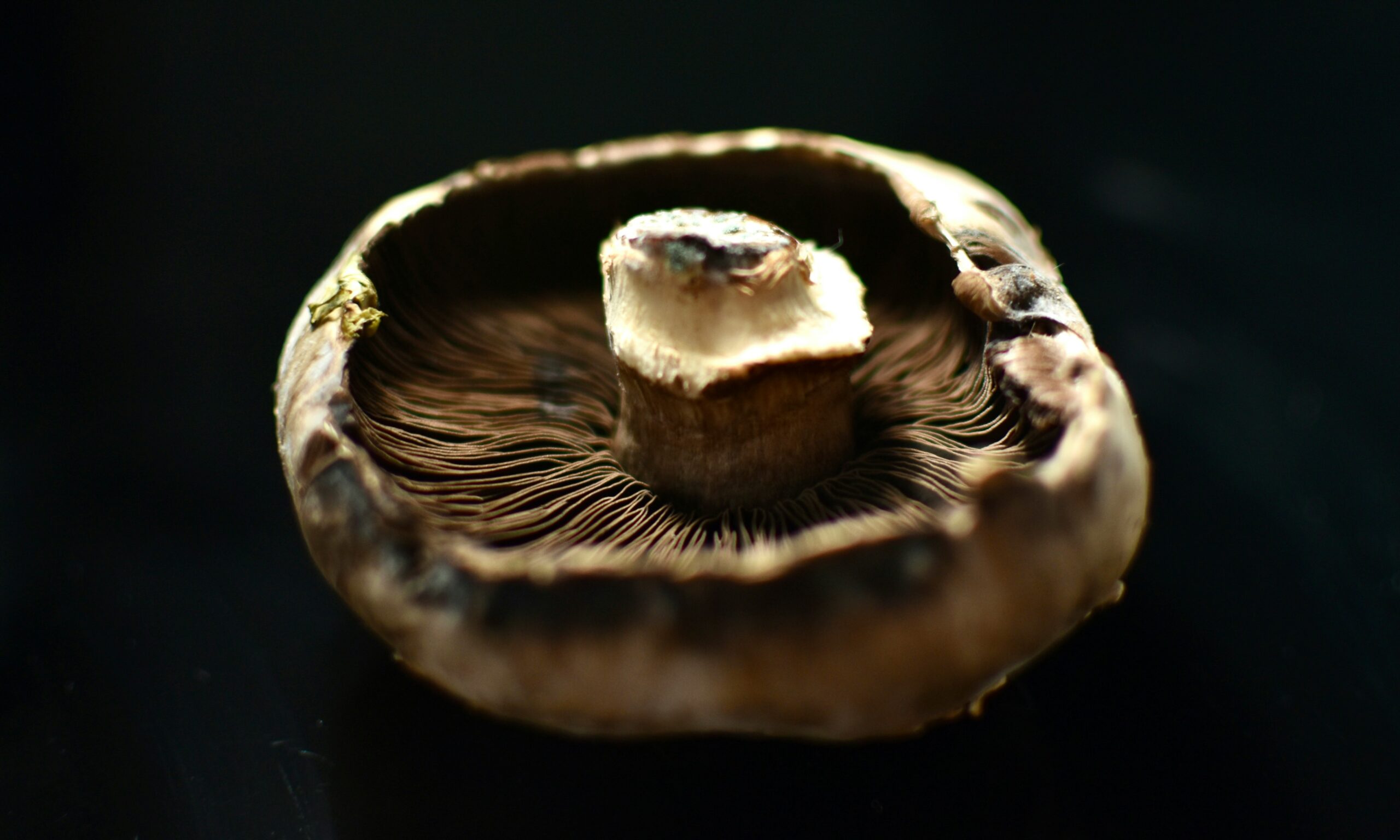
Can we stop the collective lie that a grilled portobello mushroom is a “burger substitute”? Every summer, thousands of well-meaning backyard hosts fire up their grills, invite their vegetarian or health-conscious friends over, and hand them a wet, slimy mushroom cap slapped between two slices of dry bread. We do it with a straight face, too, pretending it’s a perfectly normal and satisfying alternative to a juicy beef patty.
It isn’t a burger and will never be.
A portobello is a fungus, not a cow. It doesn’t have marbled fat; it doesn’t react to heat the way protein does, and when you try to force it into a traditional fast-food blueprint, it totally rebels. It turns into a rubbery, waterlogged mess that squirts lukewarm liquid down your chin on the first bite and pulls completely out of the bun on the second. It’s a miserable eating experience. If you genuinely want a quick, plant-based alternative that actually delivers clean energy without the culinary disappointment, you are much better off leaning into the simplicity and the power of the 3-ingredient smoothie before you even turn on the grill. At least a balanced blend of whole foods won’t leave you chewing on a soggy sponge.
The real tragedy here is that portobellos are genuinely incredible when you actually let them be mushrooms. When you stop trying to make them mimic a steak and start treating them like the ultimate vehicle for char and char-broiled flavor, they become the best thing on the picnic table. But to get there, you have to throw out the generic internet instructions, stop drowning them in heavy store-bought marinades, and learn how to actually manage moisture on an open flame.
Why Fresh Garlic Burns on the Grill (And What to Use Instead)
Before you even think about hitting the ignition switch on your grill, we have to talk about the marinade. If you look at almost any generic recipe online, the ingredient list will proudly tell you to mince up four or five cloves of fresh garlic and rub them all over your mushroom caps. It sounds rustic and delicious.
Fresh, raw garlic is packed with natural sugars and tiny pieces that can tolerate exactly zero seconds of direct, high-heat contact. The exact second you flip that mushroom cap gill-side down onto a hot iron grate, that minced garlic is going to burn. It won’t brown gently; it will turn into a bitter, acrid black crust within 90 seconds, completely ruining the mushroom’s natural earthiness.
Save yourself the heartbreak and put the fresh garlic away. If you rub minced garlic onto a mushroom and throw it over an open flame, it’ll catch fire, burn to a crisp, and make your dinner taste like an old ashtray. Use garlic powder instead. I know it feels like a cheat, but it actually works. It dissolves right into the oil, gets sucked deep into the pores of the mushroom, and toasts beautifully over the heat instead of turning into a bitter, blackened mess.
The rest of your marinade should be dead simple, built to enhance the mushroom’s natural traits rather than hiding them. Forget exact measurements; you just need a heavy drizzle of three basic components:
- The Acid (Balsamic Vinegar): Don’t use the cheap, watery white vinegar in your pantry. You want a decent balsamic that brings a heavy, sweet tang to the party. It caramelizes beautifully against the hot grates.
- The Umami Base (Tamari or Soy Sauce): Mushrooms are naturally high in savory compounds. Drizzling them with tamari or high-quality soy sauce acts like a volume knob for that natural flavor, making them taste ten times deeper and more complex.
- The Smoke (Smoked Paprika): Because mushrooms don’t have natural fat to render and smoke, a heavy pinch of smoked paprika tricks your palate into experiencing that classic, deep backyard wood-fired flavor before the heat even hits it.
How to Clean Portobello Mushrooms Without Making Them Soggy
The easiest way to ruin a batch of portobellos is to do so before you even touch a bottle of oil. If you take your raw mushroom caps and submerge them in a bowl of water or run them under a wide-open kitchen faucet to get the dirt off, you have already failed.
Mushrooms are literally living sponges. Their whole structure is designed to hold onto liquid. The moment you rinse them under running water, they soak up that moisture like a towel. When they hit the grill, all that trapped tap water has to go somewhere. It will boil inside the mushroom, turning the interior into a mushy, spongy mess and preventing the outside from ever getting that beautiful, crispy, charred edge.
Instead, take a damp paper towel or a soft kitchen brush and gently wipe down the caps. You aren’t washing mud off a potato; you’re just removing a little bit of loose peat moss.
When it comes to the stems, don’t try to chew through them; they are incredibly woody and fibrous. Snap them completely off right at the base of the cap and throw them out. As for the dark, earthy gills underneath? Leave them alone. A lot of fancy chefs will tell you to scrape them out with a spoon because they turn liquids black, but that is pure aesthetic snobbery. Those gills hold onto your marinade and create pockets of incredible, concentrated flavor. Keep them intact.
The Right Way to Grill Portobellos: Why the First Flip Matters
When you finally walk out to your grill, you need your heat set to a steady medium. If your grill is screaming hot, the outside of the mushroom will blister and burn before the dense center has a chance to soften.
There is a very specific, non-negotiable order in which these cap shapes interact with fire: you must place them on the grates, gill-side up, first.
Think about the physical shape of a portobello cap. It is a natural dome. When you place it dome-side down (gill-side up), the mushroom acts like a little bowl. As it sits over the heat for 5 to 7 minutes, the starches soften, the dome flattens out, and the mushroom begins to release its internal juices. Because the gills are facing up, those rich, savory juices puddle inside the cap rather than drip onto the bottom of your grill. It basters itself in its own marinade.
By the time you flip the mushroom over for its final 5 minutes, it has completely flattened out. Now, those exposed gills can make full, direct contact with the flat iron grates, allowing the balsamic vinegar and tamari to caramelize instantly, creating those deeply charred, crispy edges while locking the moisture securely inside.
How to Serve Your Grilled Mushrooms: Tacos, Chimichurri, and More
Once those mushrooms are tender and have good color, back away from the burger buns. Seriously, stop trying to force them to be a piece of beef. It’s a losing battle. Instead, use them in ways where that juicy, chewy texture actually makes sense, rather than feeling like a sad compromise.
Slice them into thick, meaty strips and toss them directly into warm corn tortillas with some diced white onions and fresh cilantro for the ultimate summer tacos. Or, lay the whole caps out on a platter and smother them in a bright, garlic-loaded green chimichurri sauce. The clean, raw bite of fresh parsley, oregano, and red wine vinegar cuts right through the heavy, smoky earthiness of the charred mushroom, creating a contrast that will make your guests completely forget about the meat skewers.
If you somehow end up with extras, do not throw them away, and under no circumstances should you put them in a plastic bag while they are still hot (the steam will turn them to pure slime). Let them cool completely, slide them into an airtight glass container, and store them in the fridge for up to three days.
The next morning, slice those cold leftovers thin and drop them into a hot skillet with some butter and eggs for a breakfast scramble that tastes like it came out of a high-end bistro. You can reheat them in the microwave if you are desperate, but a quick flash in a hot pan will bring those crispy, charred edges back to life every single time. Stop treating your vegetables like fake meat, respect the structure of the ingredient, and start grilling them properly.