
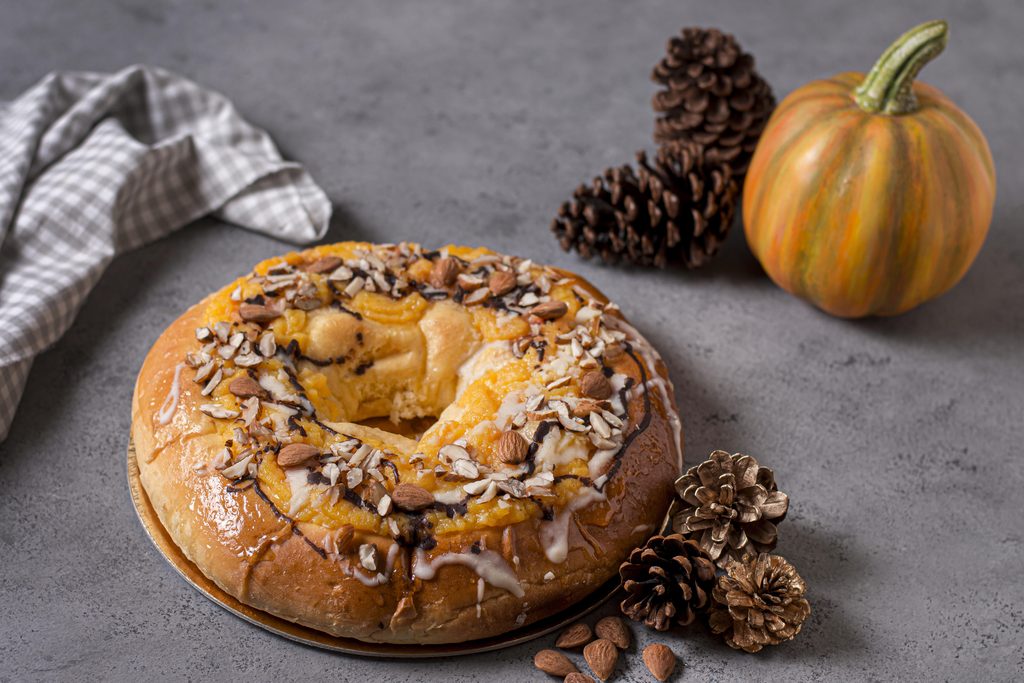
This healthy pumpkin cake recipe is designed for everyday home baking. It uses pumpkin puree, whole-wheat flour, warm spices, eggs, a modest amount of sweetener, and a little oil. The result is a soft pumpkin cake that feels like a proper treat without relying on an excessive amount of added sugar. It is not a “diet cake,” and it does not need to be. A healthy pumpkin cake can still taste like cake.
Why Pumpkin Works So Well in a Healthy Cake
Pumpkin is one of those ingredients that can quietly improve a recipe.
The flesh contains water, carbohydrates, fiber, carotenoids, and several vitamins and minerals.
One of the most useful things about pumpkin in baking is its moisture.
A cake made with only dry ingredients can become heavy or crumbly if there is not enough liquid or fat. Pumpkin puree brings moisture into the batter, helping create a softer crumb.
Pumpkin also contains carotenoids, including beta-carotene. The body can convert certain provitamin A carotenoids into vitamin A, although the amount of conversion varies. Vitamin A activity can be calculated from carotenoids using established conversion factors.
That does not mean pumpkin cake should be treated as a replacement for vegetables or as a medicinal food. It is still cake. But choosing pumpkin as one of its main ingredients gives you a more nutrient-rich base than a cake made mostly from refined flour, sugar, and fat.
If you enjoy wholesome, nutrient-conscious baking, you might also like trying a healthy protein pancake recipe for your breakfast routine.
What Makes This a Healthy Pumpkin Cake?
The word “healthy” can mean different things to different people. For this recipe, it means making a few sensible changes without taking away the enjoyment of eating cake.
Instead of using a large quantity of refined sugar, the recipe uses a smaller amount of brown sugar or maple syrup to achieve a healthy pumpkin cake.
Instead of using only refined white flour, part or all of the flour can be whole-wheat flour.
Instead of covering the cake with a thick layer of sugary frosting, you can finish it with a light Greek yogurt topping, a small dusting of cinnamon, chopped nuts, or simply leave it plain.
This recipe also uses pumpkin puree for moisture, which means you do not need a large amount of oil.
The result is a cake that can fit comfortably into a balanced eating pattern, perfect for those looking for a protein-packed homemade treat.
Ingredients for Healthy Pumpkin Cake
For one 8-inch round cake or approximately 10 to 12 slices, you will need:
- 1½ cups pumpkin puree
- 1½ cups whole-wheat flour
- ½ cup plain all-purpose flour
- 2 large eggs
- ⅓ cup maple syrup or ½ cup light brown sugar
- ¼ cup olive oil or another mild-tasting cooking oil
- ½ cup plain Greek yogurt
- 1 teaspoon vanilla extract
- 1 teaspoon baking powder
- ½ teaspoon baking soda
- 1½ teaspoons ground cinnamon
- ½ teaspoon ground ginger
- ¼ teaspoon ground nutmeg
- ¼ teaspoon salt
- 2 tablespoons chopped walnuts or pecans, optional
- For a simple yogurt topping:
- ¾ cup plain Greek yogurt
- 1 tablespoon maple syrup
- ½ teaspoon vanilla extract
- A small pinch of cinnamon
If you prefer a dairy-free cake, use an unsweetened plant-based yogurt that works well for baking.
Choosing the Right Pumpkin
For convenience, canned pumpkin puree works extremely well. Make sure you buy plain pumpkin puree, not pumpkin pie filling, because these products are not the same.
Pumpkin puree is simply prepared pumpkin, while pumpkin pie filling usually contains added sweeteners and spices. Since this recipe already includes its own ingredients, plain pumpkin puree gives you much better control over the final flavor and sweetness.
If you have fresh pumpkin available, you can also make your own puree.
Cut the pumpkin into manageable pieces, remove the seeds, and cook the flesh until tender. Once soft, allow it to cool before blending or mashing it until smooth.
Fresh pumpkin can contain more water than canned puree, so homemade puree may need to be drained slightly if it looks very watery.
How to Make Healthy Pumpkin Cake Step by Step
Step 1: Prepare the Oven
For this healthy pumpkin cake recipe, start by heating your oven to 350°F (175°C).
Grease an 8-inch round cake pan and line the bottom with baking parchment if available.
Preparing the pan before making the batter saves you from standing around with a finished mixture while the oven is heating.
Step 2: Mix the Dry Ingredients
In a medium bowl, combine the whole-wheat flour, all-purpose flour, baking powder, baking soda, cinnamon, ginger, nutmeg, and salt.
Stir everything together so that the leavening agents and spices are distributed throughout the flour.
This small step makes a difference.
If baking soda or baking powder sits in one part of the mixture, the cake may rise unevenly.
Step 3: Mix the Wet Ingredients
In another large bowl, whisk the eggs.
Add the pumpkin puree, Greek yogurt, maple syrup or brown sugar, oil, and vanilla extract.
Whisk until the mixture looks smooth.
It does not need to be perfectly silky. A few small streaks of pumpkin are perfectly fine.
Step 4: Combine Wet and Dry Ingredients
Slowly add the dry mixture to the pumpkin mixture.
Use a wooden spoon, spatula, or whisk to combine everything.
This is where you need to be a little careful.
Do not beat the batter aggressively for several minutes.
Mix only until you no longer see large patches of dry flour.
Overmixing can make a cake dense and chewy because flour proteins develop more with vigorous mixing.
A few tiny lumps are not a problem.
Step 5: Add the Nuts
If you are using walnuts or pecans, gently fold them into the batter.
The nuts are optional, but they can add texture and make each bite more satisfying.
If you are preparing the cake for someone with a nut allergy, leave them out completely and check the labels of packaged ingredients for possible allergen information.
While your cake is baking in the oven, it is a great opportunity to whip up a light, refreshing side dish like an easy cucumber tomato salad to serve alongside your meal.
Step 6: Transfer the Batter to the Pan
Pour the batter into your prepared cake pan.
Use a spatula to spread it evenly.
Give the pan a gentle tap on the countertop once or twice to help remove large air pockets.
There is no need to keep tapping it repeatedly.
Step 7: Bake the Pumpkin Cake
Place the pan in the center of the preheated oven.
Bake for approximately 35 to 45 minutes.
The exact time can vary depending on your oven, the moisture in the pumpkin puree, and the size and material of your pan.
Start checking around the 35-minute mark.
Insert a clean toothpick or cake tester into the center. If it comes out with wet batter attached, the cake needs more time.
If it comes out clean or with a few moist crumbs, the cake is generally ready.
Step 8: Let the Cake Cool
Take the cake out of the oven and let it rest in the pan for about 10 to 15 minutes.
Then carefully transfer it to a cooling rack.
Be careful, as a cake that is still very hot can break when removed from the pan. Giving it time to settle allows the structure to firm up.
Let it cool completely before adding the yogurt topping.
How to Make the Healthy Yogurt Topping
While the cake cools, combine the Greek yogurt, maple syrup, vanilla, and cinnamon in a small bowl.
Stir until smooth.
Taste it. If you want it slightly sweeter, add another small amount of maple syrup.
Do not automatically add lots of sweetener. The pumpkin cake already has natural sweetness and flavor from the spices.
Spread the yogurt topping over the completely cooled cake.
For an especially simple finish, you can skip the topping altogether and sprinkle a little cinnamon over the surface.
Why Greek Yogurt Works in Pumpkin Cake
Greek yogurt adds creaminess and moisture while also contributing protein.
It can make the cake feel softer without requiring a large amount of butter or oil.
It also works nicely as a lighter alternative to traditional buttercream.
Still, portion size matters. Adding yogurt does not suddenly turn cake into a health food. It simply gives you another way to make the dessert more balanced.
The Role of Cinnamon, Ginger, and Nutmeg
The spices are not just there for decoration.
Cinnamon provides the familiar warm flavor associated with pumpkin desserts. Ginger adds a gentle sharpness, while nutmeg gives the cake a deeper, slightly earthy note.
Using spices also makes it easier to create a satisfying flavor without depending entirely on sugar.
That is one of the easiest tricks for making a healthier dessert enjoyable: build flavor from several ingredients rather than asking sugar to do all the work.
How to Make Healthy Pumpkin Cake Without Too Much Sugar
Reducing sugar does not mean removing sweetness completely.
Pumpkin itself has a mild natural sweetness, and spices help make that sweetness more noticeable.
Start with the amount suggested in the recipe.
If you are used to very sweet cakes, the first bite may taste slightly less sweet than commercial cake. Give your palate a little time to adjust.
You can also serve the cake with naturally sweet fruit such as sliced banana, berries, or apple rather than adding more frosting.
That can make the dessert feel complete without turning it into an extremely sweet treat.
Can You Use All Whole-Wheat Flour?
Yes, but expect a slightly different texture.
Whole-wheat flour contains more of the grain than refined white flour, including parts that contribute fiber. It can also produce a heavier texture in cakes.
The combination used in this recipe is a practical middle ground.
The whole-wheat flour adds more whole-grain character, while the smaller amount of all-purpose flour helps keep the cake soft.
If you want to use only whole-wheat flour, you can do so. The cake may be slightly denser.
If your whole-wheat flour is particularly coarse, sift it before adding it to the batter.
How to Make This Pumpkin Cake Dairy-Free
You can make a dairy-free version quite easily.
Replace the Greek yogurt with an unsweetened dairy-free yogurt suitable for baking.
Check the ingredient label because plant-based products can vary considerably in sugar, fat, and texture.
The rest of the recipe can remain the same.
How to Make It Egg-Free
Eggs help bind the cake together and contribute to its structure, so replacing them requires some adjustment.
For a simple egg-free version, you can experiment with a commercial egg replacer designed for baking.
Another option is a flaxseed egg made by combining ground flaxseed with water and allowing it to thicken.
Because substitutions change the moisture and structure of a cake, the baking time may also change.
Do not assume an egg-free version will behave exactly like the original recipe.
Healthy Pumpkin Cake Topping Ideas
You do not need a heavy frosting.
Try one of these simple options:
Greek Yogurt and Cinnamon
Spread a thin layer of lightly sweetened Greek yogurt over the cooled cake.
Chopped Nuts
Scatter a small amount of chopped walnuts or pecans over the top.
Pumpkin Seeds
Pumpkin seeds provide crunch and complement the flavour of pumpkin beautifully.
Fresh Fruit
Serve each slice with berries, sliced apple or banana.
Plain and Simple
Sometimes the best option is no topping at all.
A warm slice of pumpkin cake with a cup of tea or coffee can be satisfying exactly as it is.
Common Healthy Pumpkin Cake Mistakes
Using Pumpkin Pie Filling
This is one of the easiest mistakes to make.
Check the label carefully and choose pumpkin puree rather than pumpkin pie filling.
Adding Too Much Pumpkin
It can be tempting to add extra pumpkin because you want a strongly pumpkin-flavored cake.
However, pumpkin also adds moisture.
Too much can make the cake heavy, wet, or difficult to bake through.
Follow the proportions until you know how your particular pumpkin puree behaves.
Overmixing the Batter
Mixing too much can produce a dense cake.
Once the flour has disappeared, stop mixing.
Cutting the Cake Too Early
A freshly baked cake is fragile.
Allow it to cool before slicing so that the crumb has time to set.
Making the Frosting Too Sweet
If the topping is extremely sweet, it can overpower the pumpkin and spices.
Start with a small amount of maple syrup and add more only if you genuinely need it.
How to Store Homemade Pumpkin Cake
Because this healthy pumpkin cake recipe uses eggs and a yogurt-based topping, storage deserves some attention.
If the cake has yogurt topping, refrigerate it in a covered container.
For food safety, perishable foods should not be left at room temperature for extended periods. Refrigerate foods that require refrigeration within two hours, or within one hour when the surrounding temperature is above 90°F (32°C).
If you are keeping the cake for several days, refrigeration is the safer choice. You can also freeze individual slices.
Wrap each cooled slice well and place it in a freezer-safe container or bag. Thaw it in the refrigerator or allow it to come to room temperature before eating.
For the best texture, add the yogurt topping after thawing rather than freezing the cake with a fresh yogurt layer.
A Note About Raw Cake Batter
It can be tempting to taste the batter from the spoon, but try not to because raw flour is considered a raw food and can contain harmful bacteria. Raw eggs can also carry foodborne pathogens. Do not eat or taste raw flour, dough, or batter, and it is recommended to cook foods containing flour thoroughly.
This is especially worth teaching children who like helping in the kitchen. Let them help measure ingredients, stir the batter, and prepare the pan, but wait until the cake has been fully baked before tasting it.
How to Tell When Your Pumpkin Cake Is Ready
Ovens vary, so do not rely only on the clock. Look for a cake that has risen slightly, feels set in the center, and begins to pull away gently from the edges of the pan.
A toothpick inserted into the middle should come out without wet batter.
If you have any doubt, give the cake a few more minutes and check again.
The center is usually the last part to finish cooking.
Serving Suggestions for a Balanced Snack
A slice of pumpkin cake can be part of a balanced meal or snack.
You might serve a modest slice with plain Greek yogurt and fruit.
Another option is to enjoy it after a meal rather than eating several slices because you are very hungry.
A glass of milk or an unsweetened fortified plant-based drink can also complement the cake.
Can You Eat Pumpkin Cake Every Day?
A healthier recipe contains flour, sweetener, and oil, so it should be viewed as a dessert rather than a replacement for vegetables, legumes, fruits, whole grains, and other everyday foods.
The bigger picture of your diet matters much more than whether one slice of pumpkin cake contains a particular ingredient.
If you enjoy pumpkin cake regularly, keep portions sensible and pair it with nutritious foods throughout the rest of your day.
Tips for a Better Healthy Pumpkin Cake
Use plain pumpkin puree rather than pumpkin pie filling.
Measure flour carefully instead of packing it tightly into a measuring cup.
Do not overmix the batter.
Use fresh baking powder and baking soda for reliable rising.
Let the eggs and yogurt come closer to room temperature before mixing if possible.
Do not open the oven repeatedly during the first part of baking.
Let the cake cool before cutting it.
Taste the yogurt topping before spreading it over the cake.
If the cake seems moist in the centre, give it more baking time rather than removing it early.
If you live in a hot climate, refrigerate the finished cake, particularly if it has yogurt topping.
A Simple Way to Make This Recipe Your Own
Once you have made the basic recipe successfully, you can make small changes according to your taste.
Add chopped walnuts for crunch.
Add a little orange zest for a fresh citrus note.
Increase the ginger if you prefer a stronger spice flavour.
Add a handful of raisins if you enjoy fruit in cakes.
Use pumpkin seeds on top for extra crunch.
You can also turn the batter into muffins. Divide it between lined muffin cups and begin checking for doneness earlier because smaller portions bake faster.
The key is to change one thing at a time. That makes it easier to understand how each adjustment affects the finished cake.
Pumpkin provides moisture and useful nutrients. Whole-wheat flour brings more whole-grain character. Greek yogurt contributes protein and moisture. Spices provide plenty of flavor without needing large amounts of sugar.
None of these ingredients makes cake a cure for anything, and pumpkin cake should not be presented as a treatment for a health condition.
It is simply a more thoughtful way to make a dessert.
And sometimes that is exactly what you want.
A cake should be something you can enjoy without feeling that every bite has to be perfect. Make it on a quiet weekend morning. Share a slice with family. Take one to a friend’s house. Keep a couple of pieces for the next day’s snack. Good food does not have to be complicated.