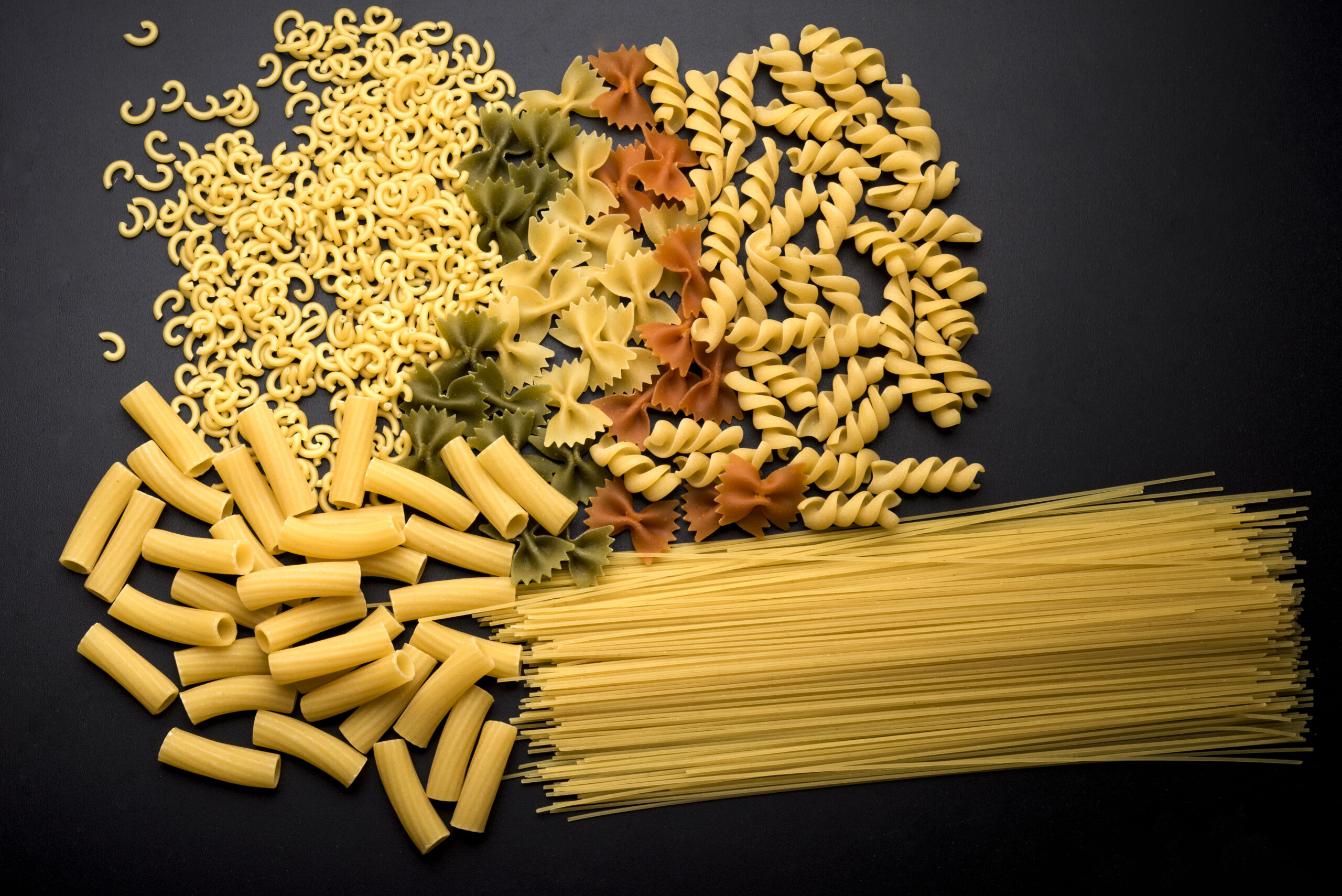
Let’s be completely honest for a minute. Every single year, when the weather warms up and everyone starts panicking about their summer beach bodies, the same wellness trend invades our social media feeds. People pull out these plastic hand-crank gadgets, take a perfectly good, crisp summer squash, and shred it into limp, watery ribbons. They drown those ribbons in warm marinara sauce, take a sad bite, and try to convince their brains that they are eating an authentic plate of Italian spaghetti.
I’m just going to say what every sane person is actually thinking: zucchini noodles, or zoodles, are a total lie. They are not pasta. They will never be pasta. And if you are only forcing them down your throat because some fitness influencer told you it’s a guilt-free life hack, you are completely missing the point of this vegetable.
As a practicing dietitian, I get cornered at summer barbecues constantly by clients begging me to give my professional blessing to whatever low-carb, low-calorie diet craze is currently trending. And while I absolutely love zucchini, I absolutely loathe what the toxic wellness industry has done to it. It’s time we look right past the skinny food marketing hype and talk about what this green gourd actually brings to the table when you stop treating it like a sad, depressing substitute for real carbohydrates.
The Anatomy of the Squash: What’s Actually Inside?
There is a weird misconception out there that because a zucchini is roughly 94% water, it’s basically just a crunchy green sponge with zero actual substance. That is completely wrong.
When you look at a raw, 100-gram serving with the skin kept firmly on, you are looking at a tightly packed cellular matrix. It gives you about 17 calories, roughly 3 grams of carbohydrates, a gram of dietary fiber, and just over a gram of plant protein. When you cook it, those numbers condense slightly due to moisture loss, bringing it down to about 15 calories and 2.6 grams of carbs.
But the real magic of this vegetable isn’t found in the basic macronutrient numbers; it’s hidden in the micronutrients and plant pigments. Zucchini is loaded with potassium (around 261 mg raw) and magnesium. These are two of the most critical minerals your body uses to keep your blood pressure stable and stop your arteries from hardening over time. It also gives you a fantastic dose of vitamin C and vitamin A.
More importantly, it contains a massive, heavy hit of two specific carotenoids: lutein and zeaxanthin. Raw zucchini packs over 2,100 micrograms of these compounds per serving. If those names sound like a tongue twister, they are actually powerful antioxidants that accumulate directly inside human eyes. As you get older, these specific pigments act like internal sunglasses, absorbing harmful blue light, protecting your retinas from oxidative damage, and significantly lowering your long-term risk of developing macular degeneration and cataracts.
The Gut-Heart Connection: The Power of Pectin
If you want to know why this squash deserves a prime spot on your dinner plate, look directly at its unique fiber profile. Specifically, zucchini is highly rich in a soluble fiber called pectin.
Pectin is a naturally occurring structural starch found in the cell walls of plants. When it hits your digestive tract, it dissolves in water and forms a slick, gel-like substance. In your gut, this gel acts as a massive powerhouse prebiotic. It directly feeds the beneficial bacteria living inside your microbiome, boosting your gut microbial diversity. Modern clinical research continues to show that a highly diverse gut microbiome is foundational to everything from regulating your immune system to managing systemic inflammation.
But pectin doesn’t stop working once it clears your stomach. Because it creates that thick, viscous barrier in your intestines, it physically binds to bile acids (which your body makes out of cholesterol to digest fat) and forces them out of your system. To replace the bile acids you lose, your liver is forced to pull circulating cholesterol directly from your bloodstream, which significantly lowers your LDL (bad) cholesterol levels. When you pair that cholesterol-clearing action with the natural blood pressure regulation from the squash’s potassium content, you have a massive, science-backed win for your cardiovascular system.
Stop Boiling Your Veggies Into Mushy Trash
How you choose to cook a vegetable completely transforms its internal chemical structure, and this is where most home cooks completely ruin their summer produce.
If you are eating your zucchini raw, maybe shaving it paper-thin with a vegetable peeler into a crisp, cold summer slaw with fresh herbs and a sharp lemon vinaigrette, you are getting the absolute maximum amount of vitamin C possible. Heat destroys vitamin C incredibly easily, so keeping it raw preserves its immune-supporting benefits.
But please do not assume that cooking is inherently bad for your food. When you slice a zucchini into thick rounds, brush them with a generous layer of extra-virgin olive oil, and throw them on a hot grill, you lose a tiny bit of that delicate vitamin C, but you dramatically increase the availability of fat-soluble carotenoids like vitamin A and lutein.
Because those antioxidants are fat-soluble, your body cannot absorb them efficiently on its own. Introducing a healthy fat like olive oil before cooking acts like a molecular key, unlocking those nutrients and allowing your digestive tract to absorb far more of those eye-protecting compounds than it ever could from a completely dry, raw veggie.
If you don’t feel like firing up the backyard grill, look to your microwave or a fast stir-fry pan. A study comparing cooking methods found that microwave cooking retained the highest levels of essential minerals, including calcium, iron, manganese, and sodium, compared to standard boiling or steaming. Meanwhile, tossing zucchini into a screaming-hot wok for a quick stir-fry preserves that satisfying, slightly crunchy texture while significantly increasing the vegetable’s total antioxidant and protein activity compared to eating it raw or steamed.
The Big Lie About Superfoods
Here is the absolute reality check that most wellness gurus and high-end grocery stores will never tell you: zucchini is not a superfood.
In fact, “superfood” is a completely made-up, corporate marketing term designed to make you spend way too much money on trendy groceries. Zucchini is incredibly healthy, yes, but it does not possess magical, mythical properties that will instantly cure your chronic illness or erase a terrible lifestyle. Frankly, it doesn’t even match the sheer micronutrient density of dark, leafy greens like broccoli, kale, or spinach.
The true superpower of a zucchini lies entirely in its versatility and its volumizing nature. Because it has an incredibly low glycemic index of just 15, it has virtually zero impact on your blood glucose levels. This makes it an invaluable, real-world tool for people managing prediabetes or type 2 diabetes. You can eat a massive, highly satisfying amount of it, feel completely full from its high water and fiber content, and keep your metabolic and insulin markers perfectly stable throughout the evening.
But there is a major catch: you have to stop peeling off the skin. If you are automatically running a peeler down your zucchini and throwing the green skin into the trash, you are literally discarding the healthier half of the vegetable. The skin and the dark green layer directly beneath it hold the absolute highest concentrations of dietary fiber, antioxidants, and trace minerals. If you genuinely hate the tough texture of the skin, don’t throw it away; just slice the vegetable very thin so your mouth doesn’t notice.
The Dietitian’s Verdict
At the end of the day, my clinical advice as a dietitian is incredibly simple: stop treating healthy eating like an absolute punishment. If you are one of those rare people who genuinely enjoy eating zoodles, then by all means, keep spinning your squash. But if you are sitting at your kitchen table feeling miserable while choking down fake pasta, please stop doing it to yourself.
Cut the vegetable into thick, hearty rounds. Slather them in good olive oil, throw them on a hot grill at your next weekend family barbecue, let them get a beautiful, smoky char, and sprinkle them with flaky sea salt and fresh black pepper. Eat it because it tastes fantastic and makes your body feel energized, not because you’re trying to trick your brain into thinking a squash is a bowl of wheat pasta. Expand your palate, enjoy the seasonal produce, and treat your food with a little bit of human common sense.