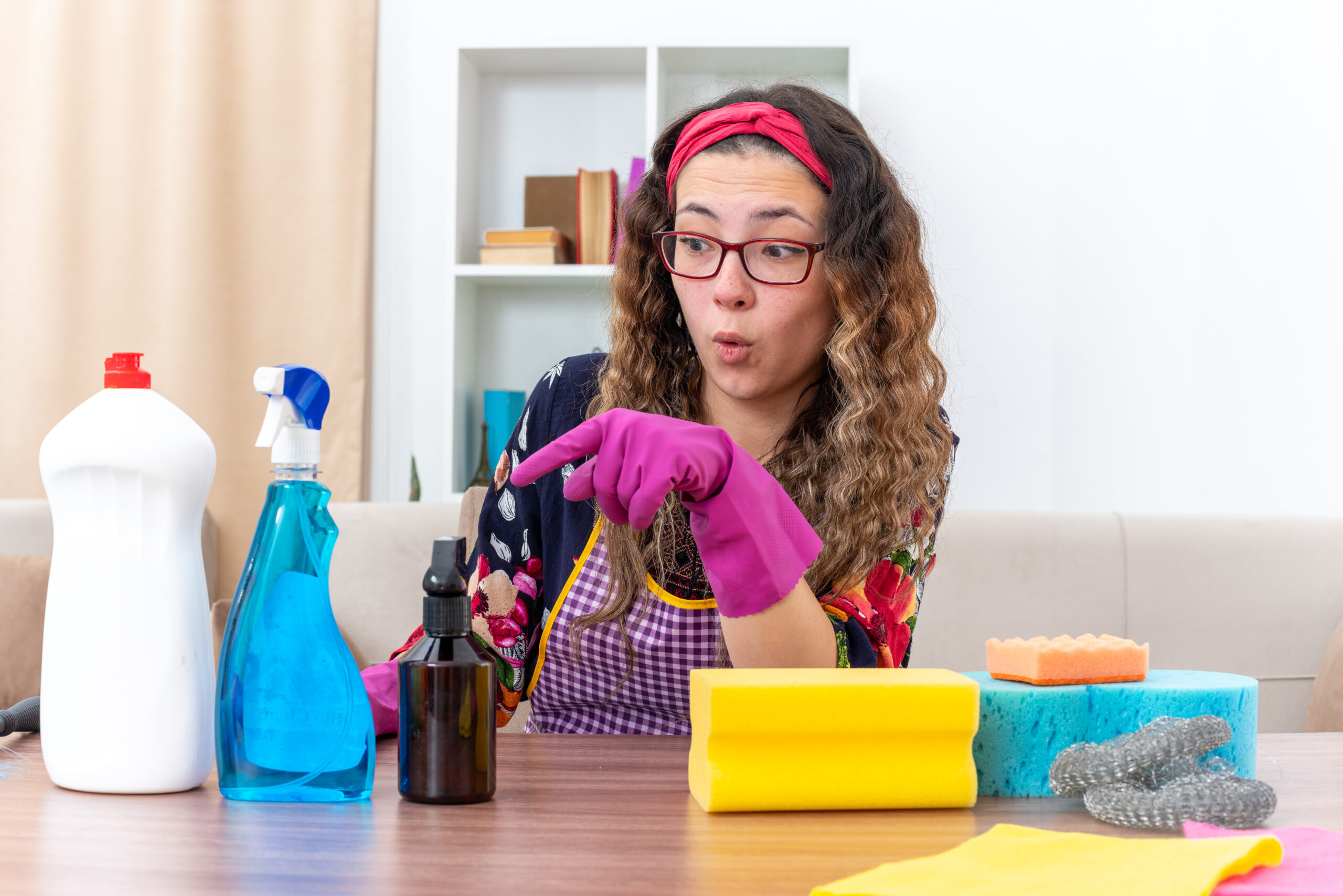
Chemicals for cleaning do not need to be a complicated collection of products. In many situations, soap or detergent, water, and some physical scrubbing can remove dirt and most germs from household surfaces. Cleaning removes dirt, impurities, and many germs, while sanitizing and disinfecting are additional steps you may need in certain circumstances, such as when someone in the home is sick.
Understanding what different cleaning chemicals actually do can help you clean more effectively while reducing unnecessary exposure to strong products, much like knowing there is no such thing as healthy sugar when making informed choices about dietary wellness.
What Are Chemicals for Cleaning?
Chemicals for cleaning are substances that remove dirt, grease, stains, mineral deposits, odors, or microorganisms from surfaces and objects.

Some products are designed mainly to clean, while others are designed to sanitize or disinfect.
A cleaning chemical may contain several ingredients, with each ingredient performing a particular job. Cleaning ingredients can have different functions. Surfactants, for example, help reduce surface tension so water can spread and interact with dirt. Solvents can help dissolve substances, while chelating agents can help deal with minerals associated with hard water.
This is why a cleaning product is usually more than just “a chemical that removes dirt.” It is often a carefully formulated combination of ingredients designed to perform a specific task.
Cleaning, Sanitizing, and Disinfecting Are Not the Same
These three words are often used interchangeably, but they describe different processes.
Cleaning
Cleaning removes dirt, dust, grease, organic material, and many germs from a surface.
Soap or detergent, water, and physical action such as wiping or scrubbing are central to this process.
For normal household cleaning, this may be all that is required. In most situations, cleaning with soap and water can remove most harmful viruses and bacteria from household surfaces.
Sanitizing
Sanitizing reduces the number of microorganisms on a surface to a level considered safe according to public health standards.
It normally takes place after cleaning because dirt and other material can interfere with the effectiveness of sanitizing products.
Disinfecting
Disinfecting is intended to kill most germs that remain on surfaces after cleaning.
It is a more targeted step and is not necessarily required every time you clean your home. Consider disinfection, especially when someone is sick or when someone in the household is at higher risk of serious illness from infection.
This distinction matters because using a stronger chemical does not automatically mean you are cleaning better.
Common Chemicals Used for Cleaning
Different cleaning chemicals have different jobs. Knowing the basic categories makes it easier to choose the right product.
1. Detergents
Detergents are among the most useful everyday cleaning chemicals.
They help loosen and remove dirt, grease, and other substances from surfaces. Many household dishwashing liquids and general-purpose cleaners contain surfactants that help water interact with substances that ordinary water cannot easily remove.
For everyday household cleaning, detergent and water can often do most of the work.
2. Sodium Hypochlorite
Sodium hypochlorite is the active ingredient commonly found in household chlorine bleach.
Bleach is an effective disinfectant when used correctly and at the right concentration. Many regular unscented household bleach products contain approximately 5% to 9% sodium hypochlorite.
However, bleach is not something to use casually.
It can irritate or damage the eyes, skin, and respiratory system, and it can damage some materials and fabrics. At higher concentrations, it can also corrode certain metals.
Most importantly, never mix bleach with other cleaning products.
3. Ammonia
Ammonia is another chemical used in household cleaning products, particularly for certain types of dirt and grease.
The problem is that ammonia can be hazardous at high concentrations. Exposure can irritate or burn the eyes, nose, throat, and lungs, and more serious exposure can cause severe symptoms.
Avoid mixing ammonia with household bleach or other incompatible cleaning chemicals.
4. Acids
Some cleaning chemicals contain acidic ingredients because acids can help break down mineral deposits, soap scum, and certain stains.
Vinegar contains acetic acid and is commonly used as a household cleaning ingredient.
However, “natural” does not automatically mean “safe to mix with everything.”
For instance, never mix vinegar or another acidic cleaner with bleach. Such combinations can release dangerous chlorine-containing gases.
5. Solvents
Some cleaners contain solvents that help dissolve substances water alone cannot easily remove.
They may help with certain stains, grease, or residues, but their fumes can be irritating, so use them according to the product label.
Good ventilation becomes especially important when using products that produce noticeable fumes.
Why Soap and Water Still Matter So Much
Some people believe every cleaning job requires a powerful disinfectant. For ordinary household cleaning, soap or detergent and water can remove dirt and many germs. Regularly clean high-touch surfaces and clean other surfaces when they are visibly dirty or when cleaning is otherwise needed and recommended.
This approach can also reduce unnecessary chemical exposure.
Think about a kitchen counter after preparing food. If the surface has crumbs, grease, and food residue, spraying disinfectant over the dirt is not a substitute for removing it.
A better approach is to clean the surface first. If disinfection is needed, that can follow.
Natural Cleaning Solutions You Can Use at Home
Natural cleaning methods can help with many ordinary household jobs, but they are not automatically substitutes for disinfectants.
Vinegar and Water
A diluted vinegar solution can help with some household cleaning tasks because acetic acid can remove certain mineral deposits and residues.
However, vinegar is not appropriate for every surface.
It can damage some stone surfaces and should not be treated as a universal cleaner.
Most importantly, never mix vinegar with bleach or other cleaning chemicals.
Baking Soda
Baking soda can provide mild abrasive action and can help with some odors and household cleaning jobs.
Its usefulness comes partly from its physical action rather than the aggressive chemical reaction associated with some commercial cleaners.
It can be particularly useful when you want a relatively mild scrubbing product.
Soap and Warm Water
This is one of the simplest cleaning combinations available.
For many household surfaces, warm water and a suitable soap or detergent can remove dirt and grime without a stronger chemical.
Clean surfaces with soap and water before sanitizing or disinfecting them when those additional steps are necessary.
Natural Does Not Always Mean Risk-Free
This point deserves attention because it is easy to assume that anything from the kitchen cupboard is completely harmless.
That is not necessarily true. Some substances commonly used in homemade cleaning products can have potential hazards. Its Safer Choice guidance notes that household substances such as vinegar, baking soda, borax, ammonia, and bleach differ greatly in their safety profiles. Even when considering home fermentations or natural health routines, where some enthusiasts claim water kefir is the only probiotic worth making, it is always crucial to recognize that natural ingredients carry specific chemical or biological properties that require proper handling.
So the goal shouldn’t be to replace every commercial cleaner with something labeled natural.
The better goal is to use the least hazardous effective method for the job.
For ordinary dirt, that may mean soap and water.
For a particular mineral deposit, a suitable acidic cleaner may work.
If disinfection is genuinely required, a properly labeled disinfectant may be appropriate.
How to Clean a Household Surface Safely
A simple cleaning routine can make the process safer and more effective.
Step 1: Remove loose dirt.
Clear away crumbs, dust, hair, and other visible debris.
This makes the actual cleaning easier.
Step 2: Use the appropriate cleaner.
Choose a product that is suitable for the material you are cleaning.
A product that works well on a toilet may not suit a wooden surface, natural stone countertop, or electronic device.
Always check the product label.
Step 3: Clean before disinfecting.
If you need to disinfect, clean the surface first.
Dirt and other impurities can make disinfecting chemicals work less effectively.
Step 4: Follow the product instructions.
Do not assume that using more cleaning chemicals will produce better results.
Use the amount and dilution the manufacturer specifies.
If a product requires dilution, follow the stated instructions rather than estimating the amount yourself.
Step 5: Allow the required contact time
Disinfectants generally need to remain on the surface for a specified amount of time.
This is called contact time.
The surface may need to remain visibly wet throughout this period for the disinfectant to work properly.
Wiping a disinfectant away immediately may prevent it from achieving the intended effect.
Step 6: Ventilate the room.
Open suitable windows or doors when using products indoors, particularly products that produce strong fumes.
Ventilation is important during and after using cleaning products to reduce indoor exposure.
Step 7: Wash your hands.
After cleaning or disinfecting, wash your hands thoroughly with soap and water.
Ensure you wash your hands after cleaning and disinfecting activities.
The Most Dangerous Cleaning Mistake: Mixing Chemicals
Never mix cleaning products unless the manufacturer specifically instructs you to.
People sometimes think that combining two powerful cleaners or experimenting with household items like mixing toothpaste and vaseline for DIY polishing will make them work faster, but the opposite can happen.
Mixing certain chemicals can create toxic gases or other hazardous reactions.
Never Mix Bleach With Ammonia
Bleach and ammonia can react to produce dangerous chloramine gases.
Exposure can cause coughing, irritation, breathing problems, and other serious symptoms.
Never Mix Bleach With Acids
Bleach can also release toxic chlorine gas when mixed with acids, including some acidic household cleaning products.
This means you should never pour bleach into a toilet bowl that contains another cleaning product.
Do Not Create Homemade Chemical Mixtures
Even if two products seem harmless on their own, their ingredients can react when combined.
Use one cleaning product at a time, exactly as its label instructs.
How to Reduce Exposure to Cleaning Chemicals
You do not necessarily need to stop using commercial cleaning products. Instead, use them thoughtfully.
- Start by asking whether a strong chemical is actually necessary.
- If soap and water will do the job, you may not need bleach or another strong disinfectant.
- Minimize indoor use of cleaners and other household chemical products where possible, and consider using less toxic cleaning options such as mild soap and water.
- Ventilation also matters. Opening windows and doors can help fresh air move through the room. This is particularly useful when using products with noticeable fumes.
- Protective equipment may also be appropriate. Depending on the product, this can include gloves or eye protection. The product label should tell you what protection is recommended.
Safer Cleaning Products
If you prefer commercial cleaners but want to pay more attention to their ingredients, look for credible safety information.
This is not to say that all products without a label are dangerous. Labeling simply provides consumers with another way to identify products that have undergone the program’s evaluation.
How to Store Cleaning Chemicals Safely
Safe cleaning does not stop when you finish wiping the counter.
- Store cleaning products out of reach of children.
- Keep chemicals in their original containers whenever possible. The original container contains information about ingredients, directions, warnings, and emergency instructions.
- Do not put cleaning chemicals into drinking-water bottles, food containers, or other containers that could cause someone to mistake them for something safe to consume.
- Keep cleaning and disinfecting chemicals out of the reach of children and animals.
- Avoid storing incompatible chemicals together in a way that could lead to accidental mixing.
What to Do If Cleaning Fumes Make You Feel Unwell
If a cleaning mixture produces a strong unexpected smell, irritating fumes, or breathing difficulty, do not stay in the area trying to finish the job; move away from the fumes and get into fresh air.
If someone has significant symptoms after chemical exposure, seek urgent medical assistance or contact the appropriate poison or emergency service in your area.
Do not deliberately smell cleaning products to determine what they contain.
If you or someone else is exposed to ammonia, leave the area, clean up, and seek help when appropriate.
A Simple Cleaning Routine for Everyday Homes
- Remove visible dirt and clutter.
- Use soap or detergent and water on surfaces that need ordinary cleaning.
- Scrub where necessary instead of relying entirely on stronger chemicals.
- Rinse or wipe the surface according to the product’s instructions.
- Use a disinfectant only when you genuinely need to disinfect.
- If using a disinfectant, follow the label’s dilution and contact-time instructions.
- Keep windows or doors open when appropriate to improve ventilation.
- Wear gloves or eye protection if the product instructions recommend them.
- Do not mix cleaning products.
- Wash your hands afterwards.
Final Thoughts on Chemicals for Cleaning
Cleaning chemicals can make household chores easier, but stronger does not always mean better.
For many ordinary household jobs, soap, detergent, water, and physical scrubbing can remove dirt and many germs. Disinfectants have a different purpose and can be useful when circumstances call for them, particularly when someone is sick or there is a specific contamination concern.
Natural options such as vinegar and baking soda can have useful roles in household cleaning, but they should not automatically be considered harmless or suitable for every surface. Natural products can still have chemical properties, and some combinations can be dangerous.
The best approach is to read the label, use the right product for the job, ensure good ventilation, protect your skin and eyes when needed, and never mix cleaning chemicals.
A clean home should feel fresh and comfortable, and by using only what you need and handling each product carefully, you can keep your living space clean while reducing unnecessary chemical exposure.