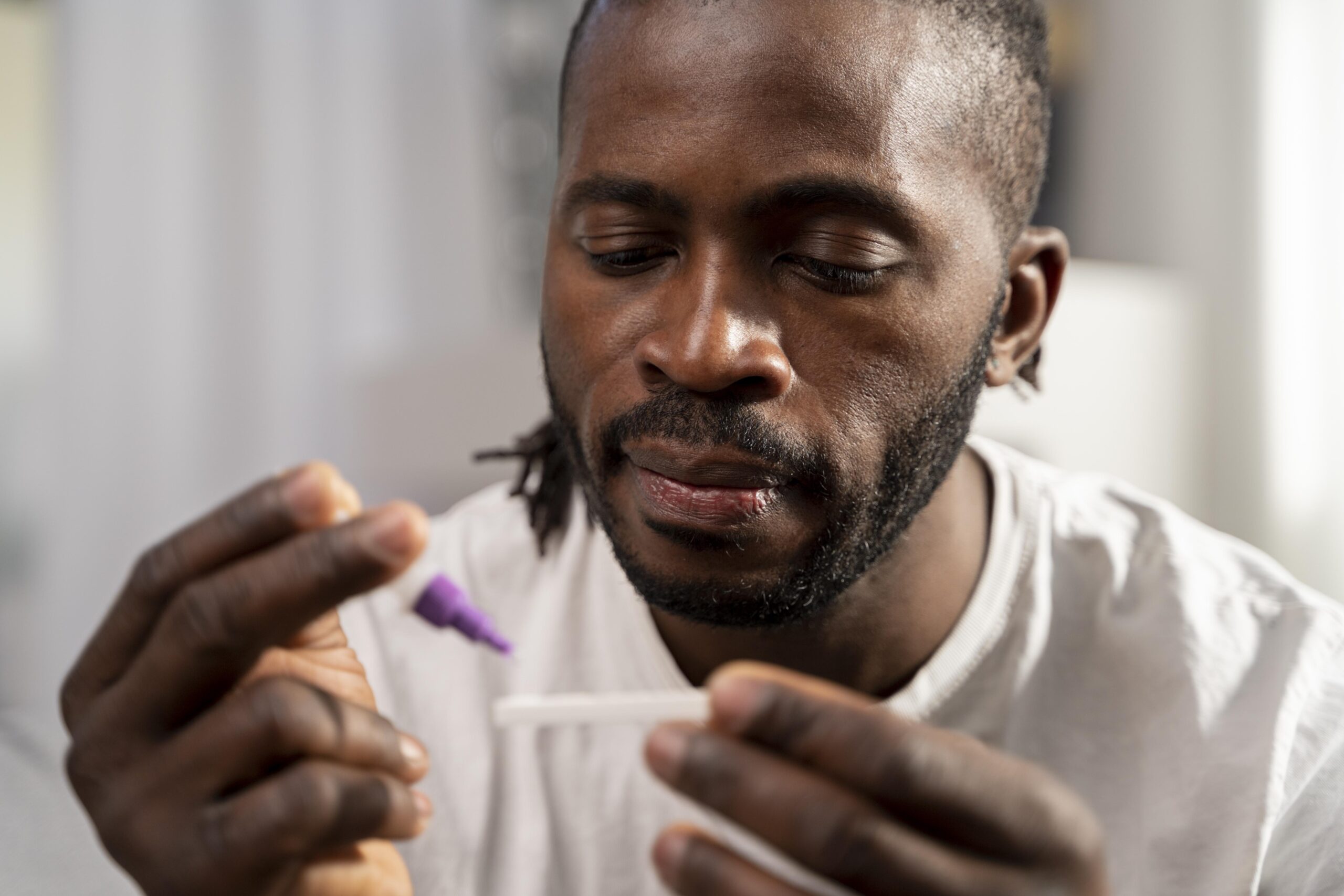
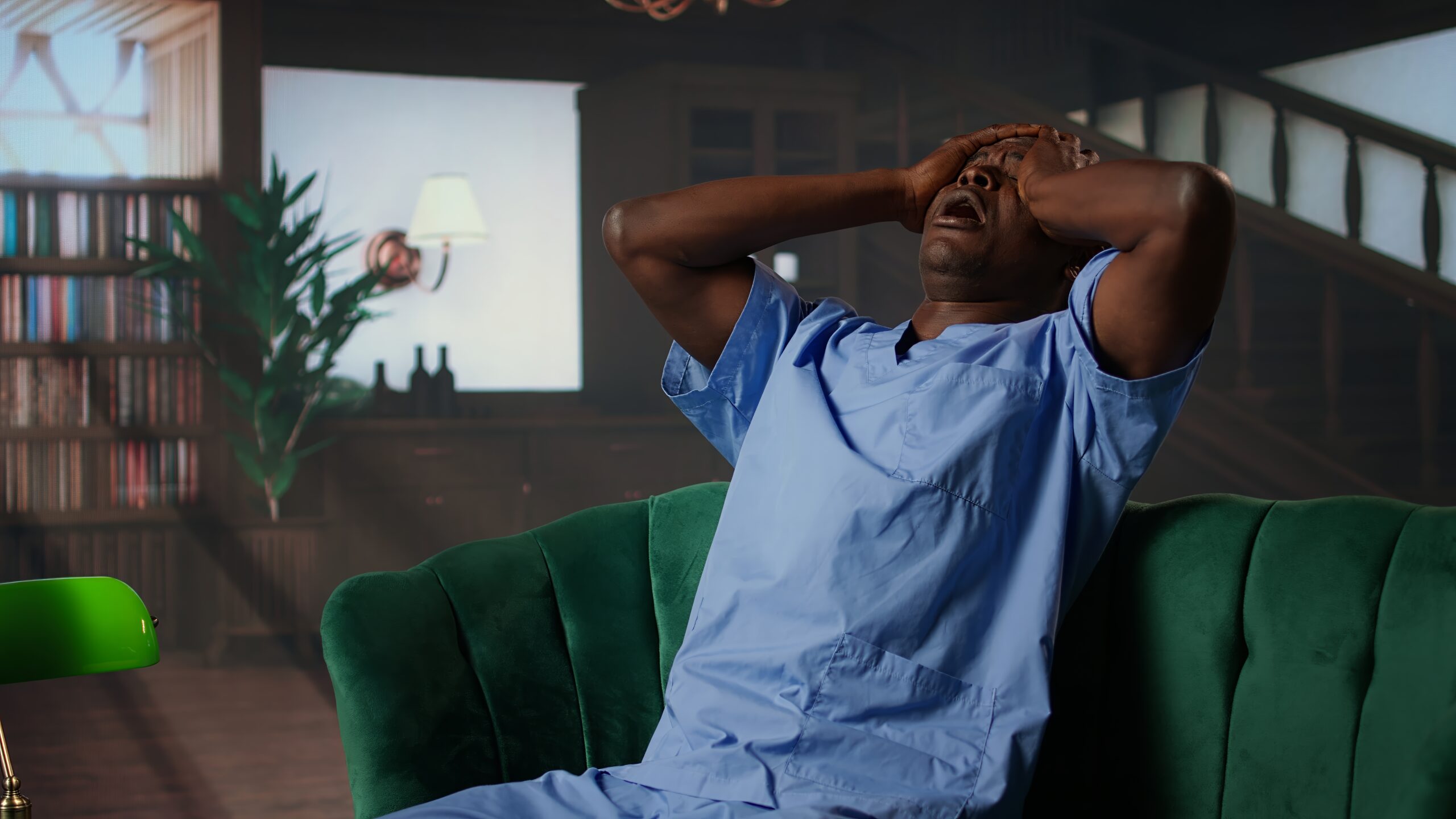
Living with a chronic illness can change almost every part of a person’s life.
Things that once felt completely normal can suddenly become difficult. Getting out of bed may take enormous effort. Walking to another room may leave someone exhausted. Plans with friends may have to be canceled because the body cannot keep up. Even sleep, which should give the body a chance to recover, may no longer feel refreshing.
For someone who has never experienced long-term illness, it can be difficult to understand just how much that can take from a person.
The physical symptoms are only one part of the problem. There can also be fear, frustration, loneliness, and grief for the life someone once had.
One possible explanation for why some chronic symptoms can continue long after the initial trigger is how the brain and nervous system respond to repeated danger signals. It focuses on nervous-system responses, maladaptive neuroplasticity, and mindfulness and hypnosis as possible tools for changing how the brain responds to symptoms. It also makes clear that these approaches should not be treated as magical cures for serious physical diseases.
What Causes Chronic Illness to Feel So Hard to Escape?
The human body has an impressive ability to protect itself.
When the brain senses danger, the body responds. Heart rate can increase. Muscles can tense. Stress hormones can rise. Attention becomes focused on the threat.
That response is useful when danger is immediate.
What may happen when the body’s alarm system stays highly sensitive for a long time? A person dealing with chronic symptoms may begin to experience pain, exhaustion, fear, or other physical sensations repeatedly. The nervous system can become increasingly familiar with those signals.
Over time, the brain may become very efficient at responding to them.
This is where maladaptive neuroplasticity comes in.
Understanding Maladaptive Neuroplasticity
Neuroplasticity refers to the brain’s ability to change and adapt.
The brain is constantly learning from experience. Repeated experiences can strengthen particular pathways, making certain responses easier and faster over time.
That ability is normally helpful. The brain learns skills, habits, and patterns because it is designed to adapt.
But the same process can potentially work against a person when repeated pain, fear, or physical distress becomes deeply established.
This is described as maladaptive neuroplasticity.
Instead of responding only to a major threat, the nervous system may begin reacting strongly to much smaller changes.
A minor change in posture, a stressful message, a change in weather, or another ordinary event could potentially become associated with danger. The brain may then respond as though something much more serious is happening.
The person is not deliberately creating the symptoms; rather, the brain is attempting to protect the body based on what it has learned.
That distinction matters.
Why the Brain Can Become Stuck in a Survival Response
Imagine dealing with symptoms for months or even years.
Every new sensation can become frightening because you already know how quickly things can become uncomfortable.
A person may begin thinking:
“Is it happening again?”
“What if this gets worse?”
“Why am I feeling this?”
“What if I cannot get through the day?”
Those thoughts are understandable. Anyone living with persistent symptoms can become anxious about what might happen next.
But repeated fear can also keep attention focused on the body.
The nervous system may remain on alert, continually checking for signs of danger.
This can create a cycle in which physical sensations trigger fear, fear increases the body’s stress response, and the heightened state makes symptoms feel even more intense.
The person can then become trapped in a pattern that feels impossible to control.
Chronic Illness Is Not Simply a Matter of “Thinking Positively”
This is one of the most important points. There is a huge difference between saying that the brain can influence the experience of symptoms and telling someone that their illness is caused by negative thinking.
Those are not the same thing. A person cannot simply think their way out of an infection, autoimmune disease, structural injury, or other serious medical condition.
Telling someone with a genuine illness to “just think positive” can be deeply hurtful. It can make the person feel as though their suffering is being dismissed or blamed on their attitude.
Mindfulness and hypnosis play a different role. Rather than pretending physical illness doesn’t exist, these approaches are presented as ways to change the nervous system’s response to physical sensations and stress.
That distinction is essential.
How Stress Can Affect the Body
Living with illness is stressful. Appointments, medical tests, uncertainty, financial concerns, changes at work, and difficult conversations with family members can add up. A person may also worry about losing independence or being unable to return to the life they once enjoyed.
That constant stress can keep the body in a state of heightened alertness.
The prolonged biological stress is linked to hormones such as cortisol and inflammatory chemicals, suggesting that ongoing nervous-system activation may worsen symptoms.
This does not mean stress causes every chronic illness.
It means that the experience of being chronically unwell can itself place enormous pressure on the body and mind.
That is why treating the emotional and neurological side of chronic illness can be worth discussing alongside appropriate medical care.
Mindfulness May Help Break the Fear Cycle
Mindfulness helps you become more aware of what happens when the body’s alarm system activates.
For example, a person may suddenly notice a familiar sensation.
The immediate reaction might be
“Oh no. This is starting again.”
That thought can lead to fear.
Fear can increase attention to the body.
More attention can make every sensation feel stronger.
The cycle continues.
Mindfulness offers a chance to pause before that cycle becomes overwhelming.
Instead of reacting immediately, a person can notice it.
“I am feeling this sensation.”
“I notice that I am becoming afraid.”
“My mind is predicting that something bad will happen.”
That small pause can create some distance between the physical sensation and the fearful story surrounding it.
It doesn’t mean pretending the symptom isn’t real.
It means responding to it with greater awareness rather than automatically assuming the worst.
What Hypnosis May Add
Hypnosis is another approach for working with the subconscious mind.
Deep relaxed states may make it easier to work with thoughts, expectations, and learned responses.
Rather than constantly fighting symptoms, hypnosis is presented as a possible way to teach the nervous system a different response.
Hypnosis and mindfulness are tools that may help interrupt patterns associated with chronic stress and excessive alarm. Early research on mind-body practices and brain-derived neurotrophic factor, or BDNF, a molecule involved in learning, neuroplasticity, and the nervous system’s response to stress, has been promising.
These ideas should not be mistaken for proof that hypnosis can cure chronic disease.
A more realistic point is that the brain and nervous system can change, and approaches that help regulate stress may have a useful place alongside appropriate medical treatment.
Taking Back Some Control After Chronic Illness Takes So Much Away
One of the hardest parts of chronic illness is losing a sense of control.
Before becoming ill, a person may have had plans for work, family, travel, friendships, and personal goals.
Suddenly, life revolves around symptoms, appointments, medications, tests, and questions.
Someone who used to be independent may need help with everyday activities. Someone who loved going out may begin staying home. Someone who was working toward a career may have to put those plans on hold.
That loss can hurt deeply. Losing parts of who you used to be and grieving the future you once expected.
Don’t ignore this emotional pain. Healing is not only about reducing a physical symptom. It can also involve helping a person feel that they still have a life, identity, and future beyond their illness.
Breaking Free Does Not Mean Pretending You Are Not Sick
There is a dangerous idea that breaking free from chronic illness means refusing to acknowledge the illness.
Breaking free can instead mean reducing the control the illness has over a person’s thoughts, emotions, and daily life.
A person may still have symptoms while learning how to respond to them differently.
They may still need medical treatment while also working on stress regulation.
They may still have difficult days while slowly rebuilding confidence.
That is a much more realistic way to think about recovery.
Creating a Sense of Safety
A client used hypnosis to create what was described as an “inner sanctuary.” Despite living with a severe long-term illness, this mental space reportedly helped the person experience a stronger sense of safety. The reported changes included better sleep, lower anxiety, and greater hope.
When someone has spent a long time feeling physically unsafe, constantly watching for the next symptom can become exhausting.
Learning to create moments of calm may help the person step away from that constant state of alertness.
This could involve meditation, controlled breathing, mindfulness, guided relaxation, or professionally supported hypnosis.
These practices are not substitutes for diagnosis or treatment. They are tools that may help a person cope with the nervous-system side of living with chronic illness.
The Emotional Side of Chronic Illness Deserves Attention
It is easy to focus entirely on the physical symptoms.
Pain gets measured.
Heart rate gets checked.
Blood tests are taken.
Scans are performed.
Medications are prescribed.
But another side of illness is much harder to measure.
What does it feel like to wake up every morning wondering whether you will have enough energy for the day?
What does it feel like to cancel plans repeatedly because your body will not cooperate?
What does it feel like to watch other people move through life while you are struggling to complete ordinary tasks?
Those experiences matter.
A person living with chronic illness may need space to grieve without being told to stay positive.
They may need support without being treated as helpless.
They may need medical care while also needing help with fear, stress, and the emotional weight of their condition.
A More Balanced Way to Approach Chronic Illness
The strongest message from the source is not that one technique can cure every chronic illness.
It is that the nervous system deserves attention.
Medical treatment remains important, particularly for conditions involving infection, autoimmune disease, structural problems, or other identifiable physical causes.
At the same time, the brain’s response to pain, fear, and stress can be part of the overall experience of long-term illness.
That means a broader approach may involve medical care together with appropriate psychological or mind-body support.
The goal is not to blame the patient.
It is to give the patient more tools.
How to Start Moving Forward
For someone living with chronic symptoms, change does not have to happen all at once.
A useful starting point may be noticing patterns.
Pay attention to what happens before symptoms become worse.
Notice whether fear immediately follows a physical sensation.
Notice whether certain situations repeatedly put the body into a state of high alert.
Mindfulness can help a person observe these patterns without immediately judging them.
Professional support may also be useful. A qualified healthcare professional can help determine whether symptoms need medical investigation, treatment, or further testing. Where appropriate, a qualified mental-health or mind-body practitioner can help someone work safely on stress, fear, and learned responses.
The goal should never be to replace proper medical care with positive thinking.
The goal is to support the whole person.
Chronic Illness Does Not Have to Become Your Entire Identity
A diagnosis can become such a large part of life that a person starts seeing themselves only through the illness.
But a person still exists underneath the diagnosis.
Relationships, interests, dreams, memories, values, and plans still exist.
Even if illness changes the way some of those things are experienced, they do not disappear.
Breaking free means more than getting rid of every symptom.
It can mean slowly taking back parts of life that illness has pushed into the background, learning to feel safe in your own body again.
It can mean having a difficult day without deciding that the entire future is hopeless.
It can mean recognizing symptoms without letting fear control every decision.
And, above all, it can mean remembering that a person is much more than a diagnosis.
Breaking Free From Chronic Illness: Stress, Mindfulness, and Recovery
Chronic illness can leave people feeling trapped inside their own bodies. The physical symptoms are difficult enough, but the fear, uncertainty, and loss of independence can make the experience even heavier.
The brain and nervous system may play a meaningful role in how some chronic symptoms are maintained or experienced. Repeated pain, fear, and stress can reinforce learned responses, while approaches such as mindfulness and hypnosis may help some people develop different responses to those signals.
But there is an equally important message: chronic illness should not be dismissed as something a person can simply think away.
Serious physical conditions require proper medical attention.
The most balanced path is to recognize both sides of the experience: the physical condition and the person’s nervous system, emotional, and psychological response to living with it.
Breaking free does not necessarily mean waking up one morning completely cured.
Sometimes it begins with something smaller. A little less fear, a little more confidence, a better night’s sleep, a calmer response to a familiar symptom, a moment where the body feels safe again, and from those small moments, a person may begin rebuilding a life that illness once made feel impossible.