
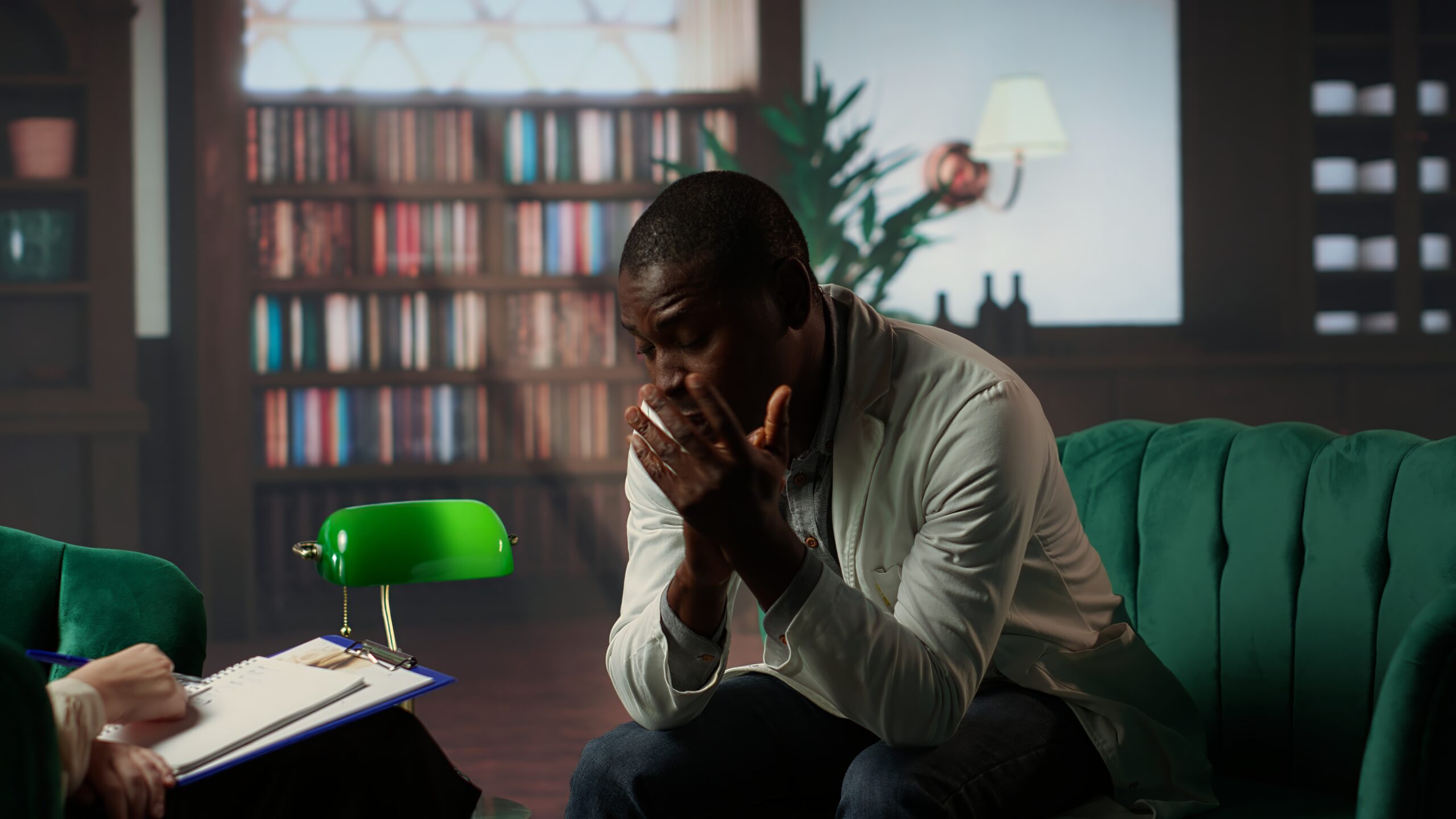
Sometimes, it is much harder to wait than to receive an answer.
For instance, when someone is undergoing medical tests, they spend time worrying about the outcome. Every phone call can cause anxiety. Every new symptom may lead to another question and more worries. This period is often described as living in limbo.
The person knows something is wrong but doesn’t yet know exactly what it is. They may have appointments scheduled, tests completed, or samples sent to a laboratory, yet the final answer is not forthcoming.
Uncertainty triggers several psychological areas: uncertainty about the science, uncertainty about what the results might mean personally, and practical uncertainty about the testing process and when the results will arrive.
Why Waiting Can Feel So Difficult
Humans seek answers, particularly when their health or future is at stake.
Without an answer, it can be difficult to make plans. A person may wonder:
- What is actually happening to me?
- Will the tests find something serious?
- What will happen if the result is positive?
- What happens if the doctors still cannot find an explanation?
- Will I need treatment?
- How long will I have to wait?
- Should I be preparing for the worst?
These questions can keep running through someone’s mind.
Uncertainty feels even worse for people living with an undiagnosed condition and can cause frustration, confusion, sadness, and anxiety. Some may become exhausted from repeatedly searching for explanations, while others may find ways to accept that an answer may not be immediate.
The Emotional Weight of Waiting
Not every kind of waiting is difficult.
Sitting in traffic may be frustrating, but you know the situation will eventually end. The harder kind of waiting is different and more intense; it is the kind where you have little or no control over when the answer will arrive.
You might be waiting for:
- Important medical test results.
- News about a long-term health condition.
- An update about an aging loved one.
- A response to a job or academic application.
- An opportunity that could change your circumstances.
- An answer about whether your hard work is making a difference.
- A difficult change or loss that you know may eventually come.
These situations can make time feel unusually heavy.
From the outside, you may appear to be sitting quietly. Inside, however, your mind can be working constantly, and that’s because when information is missing, we often try to fill the gap ourselves.
Sadly, the story our minds create is not always a positive one. They are a series of unending imaginary thoughts. You begin to read negative meanings into things. The thing is, nothing may have actually changed.
Your circumstances may be exactly the same as the previous day, but the uncertainty changes how you experience the moment.
When Waiting Turns Into Putting Your Life on Hold
One of the easiest reactions to prolonged uncertainty is to stop moving.
You might stay in bed longer than usual, postpone exercise, neglect your normal routine, and spend hours scrolling through your phone instead of doing something productive.
It can begin to feel as though you are waiting for permission to continue with your life.
Your body still needs movement. Your mind still needs rest. You still need food, sunlight, sleep, conversation, and activities unrelated to the outcome you are waiting for.
Even something as simple as getting up and preparing breakfast can help interrupt the cycle. A morning routine does not need to be complicated. A familiar drink, a decent meal, and a few minutes away from your phone can remind you that the day has already started.
If you enjoy slow, intentional mornings, you may also find some useful inspiration on Breakfast Wake-Up Call.
The goal is not to pretend the uncertainty does not exist or to let it take over everything else.
You Cannot Force an Answer to Arrive
There is a particular kind of exhaustion that comes from trying to control something that is completely outside your control.
- You cannot make an employer respond faster by checking your inbox twenty times.
- You cannot make medical results arrive simply by worrying about them.
- You cannot stop every change that comes with aging.
- And you cannot guarantee that every opportunity you pursue will work out.
- Accepting this can be uncomfortable because uncertainty takes away the sense of control we naturally want.
- We want to know what happens next.
- We want reassurance before we relax.
- We want certainty before we make plans.
But life rarely gives us those things according to our preferred timetable.
Sometimes the healthier response is not to find another way to predict the future but to accept that the future has not arrived yet.
Breaking the Habit of Constantly Checking
Anxiety can create a simple but exhausting cycle:
Waiting → Checking → No answer → Worrying → Checking again
The more often you repeat it, the more automatic it becomes.
One way to interrupt the pattern is to deliberately put your phone down for a while, go outside, and wash the dishes. Stretch. Exercise. Prepare breakfast. Read something. Talk to someone. Take a shower and try focusing on what’s within your control.
These activities may seem ordinary, but that is precisely why they can help. They move your attention away from an imagined future and back toward something real and immediate.
Movement Can Be Part of the Solution
When uncertainty becomes overwhelming, staying still can feel comforting. You may tell yourself that you are resting because you do not have the energy to do anything else, but then prolonged inactivity can become another problem.
Movement is not just about intense workouts or spending an hour at the gym. Walking around the house, stretching, taking a short walk outside, doing household chores, or simply getting out of bed can help prevent an anxious waiting period from becoming physical stagnation.
For a deeper look at how excessive rest and inactivity can affect the body, read Rest May Be Permanently Ruining Your Body.
The point is not to keep yourself busy every second so you never have to think about what worries you; rather, it is to maintain some connection with ordinary life while you wait.
Learning to Be Present With Uncertainty
When anxiety rises, you may notice it physically before you understand what is happening mentally.
- Your shoulders tighten.
- Your breathing becomes shallow.
- Your stomach may feel unsettled.
- You may feel an almost automatic urge to pick up your phone and check again.
Instead of immediately responding to that urge, pause, notice your breathing, and listen to the sounds around you.
Maybe there is traffic outside, or a bird is making noise nearby, or someone in the house is walking through another room, or it’s simply your own breathing.
These little details can bring your attention back to the present; you do not have to solve your entire future in that moment. You only have to be where you are.
The Lesson of an Unfinished Life
There is an important lesson hidden inside difficult periods of waiting: not every moment needs to be resolved before you are allowed to live it.
- Some questions will remain unanswered for a while.
- Some applications will receive late responses.
- Some opportunities will disappear.
- Others will unexpectedly work out.
Health can change. Families change. Careers change. People grow older. Plans shift.
None of this means you should stop participating in your own life.
Peace begins when you realize that your life is still happening while you wait.
- You can be uncertain and still have breakfast.
- You can be worried and still take a walk.
- You can be waiting for an important answer and still laugh with someone.
- You can care deeply about what happens next without abandoning what is happening now.
The future will eventually reveal itself. Until then, you do not have to stand outside your own life waiting for it.
Sometimes the most important thing you can do while waiting is simply to keep living.