
Walk into any local mall, and it’s the exact same setup. You’re lured in by the bright lights, the trendy soundtrack, and that sudden hit of dopamine when you find a decent-looking jacket or a fresh pair of jeans for a price that feels like an absolute steal. Cotton On has mastered this exact game. Over the last few decades, the Australian retail giant has become a total high-street staple, pumping out cheap, on-trend clothes for a public that is completely addicted to the next new thing.
But as people get louder and louder about climate change and human rights, a massive question mark has landed squarely on the brand: Is Cotton On actually trying to save the planet, or are they just running one of the slickest greenwashing campaigns in modern retail?
Let’s be completely real here. They are trying incredibly hard to look like the good guys. But when you strip away the glossy corporate reports, the PR handouts, and the charity partnerships, the truth is unavoidable: Cotton On is still a fast-fashion machine.
The Labor Illusion: Transparency vs. Actual Living Wages
Let’s look at the people who actually sew the garments. Years ago, the Cotton On Group faced some intense public backlash over major wage scandals and sketchy supply chain practices. To their credit, they didn’t just hide behind their lawyers. The company pivoted, putting together a strict sourcing program that claims a “zero tolerance” policy for the absolute worst sins of the garment industry: child labor, forced labor, workplace harassment, and unpaid wages. They back this up with regular factory audits and mandatory supplier agreements.
Even more surprising for a fast-fashion brand, Cotton On actually publishes its Tier 1 supplier and factory list online. Anyone can look up the exact locations of their factories and the basic demographics of the people working inside them. They have also made a lot of noise about their commitment to paying a true living wage.
But here is where the corporate spin runs straight into a brick wall: disclosing information is not the same thing as actually fixing the problem.
Publishing a spreadsheet of factories is great, but independent audits still haven’t produced concrete, verified proof that the human beings at the very bottom of Cotton On’s supply chain are actually making enough money to feed their families and live with dignity. It’s an incredibly convenient gap in their data.
Because of this exact missing piece, the independent ethical fashion watchdog Good On You still slaps Cotton On with a “Not Good Enough” rating for how they treat people. Promising to do better in a colorful sustainability pamphlet is a far cry from actually putting fair money into the pockets of vulnerable workers.
The Charity Shield: The Cotton On Foundation
If you have ever bought a reusable tote bag, a cheap bottle of water, or a pack of mints at a Cotton On register, you’ve interacted with the Cotton On Foundation. This is the brand’s ultimate shield against public criticism. Frankly, it’s how they manage to keep their “do-gooder” reputation alive.
Through those tiny, everyday register add-ons, the foundation has raised a staggering $200 million over its lifespan. And that cash hasn’t just vanished into a corporate black hole; it has funded genuine, tangible good. We are talking about building schools in developing countries, pouring millions into youth mental health initiatives, supporting First Nations partnerships, and funding massive tree-planting programs across multiple borders.
It’s an incredible initiative, honestly. But it also creates a massive psychological loophole for shoppers. It lets you feel like a great philanthropist as you walk out of the store with a bag full of cheap, synthetic clothing that will probably warp or fall apart after five spins in the washing machine. The foundation does great work, but it cannot completely offset the inherent destructiveness of a business model built on massive volume and rock-bottom costs.
Dissecting the 2030 Sustainability Goals
Every major fashion brand loves to announce far-off sustainability targets because it buys them years of public goodwill without requiring immediate, painful sacrifices. Cotton On does the exact same thing, though their targets look a little more specific than some of their competitors. If you dig into their good report, the brand has laid out a roadmap for the future, but a closer look reveals some serious loopholes.
- The Climate Targets: Cotton On has promised carbon neutrality across their Scope 1 and Scope 2 emissions by 2030, along with a shift to 100% renewable energy for their own buildings. Sounds amazing, right? Except for Scope 1 and 2 emissions, the energy used by their corporate headquarters and retail stores makes up a pathetic 7% of the company’s total carbon footprint. The real monster is Scope 3 emissions, which cover the actual heavy manufacturing, textile processing, and shipping across the global supply chain. That accounts for a whopping 93% of their environmental impact, and Cotton On has conveniently given itself until 2050 to make that piece carbon neutral.
- The Material Trap: By 2030, the brand wants 100% of its clothing range to feature a “sustainable attribute.” This is textbook greenwashing territory. What defines a “sustainable attribute”? It could mean an entire garment is made from raw, organic hemp, or it could mean a polyester shirt contains a tiny, single-digit percentage of recycled plastic. It’s a wildly vague metric that looks great in a headline but means almost nothing on the factory floor.
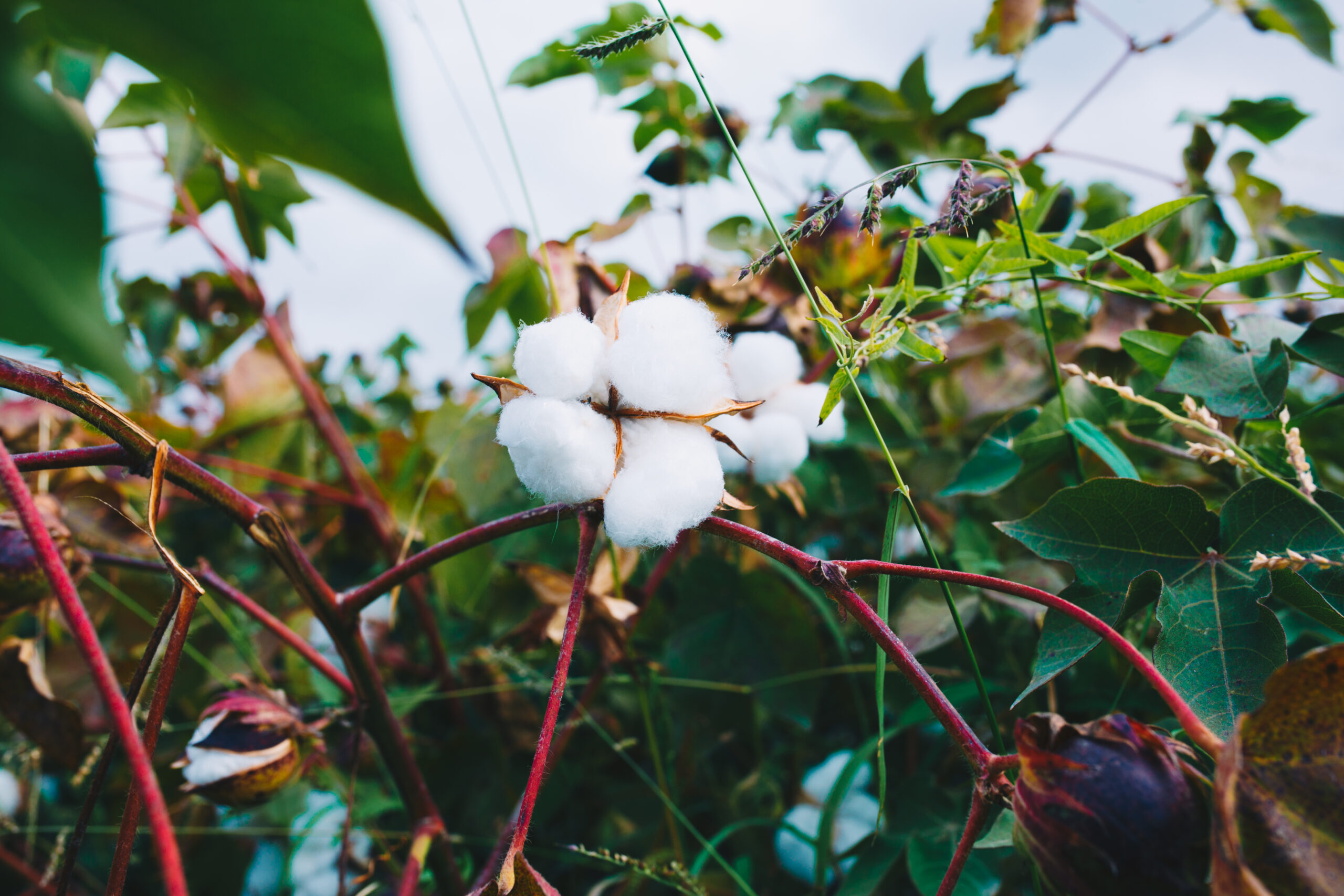
When you look at what Cotton On clothes are actually made of right now, the reality is pretty depressing. The vast majority of their inventory relies heavily on conventional, virgin materials. A breakdown of their current textile mix shows that 60% of their cotton is fully conventional (grown with heavy pesticide use and massive water use), while organic and recycled cotton make up tiny minority shares. Their synthetics are even worse, with 63% consisting of completely conventional, petroleum-based plastics.
Packaging and Tiny Steps Toward Circularity
To give credit where it’s due, Cotton On has made genuine progress in cleaning up its immediate waste and retail packaging. Their product swing tags are made from 100% recycled paper; care labels have transitioned to recycled polyester, and they are actively replacing single-use plastic garment hangers with reusable timber alternatives. They also use the Australasian Recycling Label, which gives consumers clear instructions on how to properly dispose of packaging components.
There are also small nods toward a circular economy. All of their new denim lines now incorporate 20% to 30% recycled cotton scavenged from textile waste, and their swimwear has utilized recycled polyester since 2020. They even have a resale platform in the works for Cotton On Kids to give outgrown children’s clothing a second life, though it hasn’t officially taken off yet.
The Reality Check
At the end of the day, Cotton On represents a very modern corporate dilemma. They are making a visible, meaningful effort to clean up their act, but they have not yet achieved meaningful results.
You cannot fix a fundamentally broken linear business model by simply switching to recycled-paper tags and donating money to build schools. The core engine of Cotton It still relies on producing massive volumes of cheap clothing at breakneck speeds, pushing consumers to buy more, discard quickly, and repeat the cycle next month. Until their entire product line is made from genuinely sustainable materials and their supply chain guarantees a verified living wage for every worker, Cotton One remains firmly rooted in fast fashion. Don’t let the eco-friendly packaging fool you.