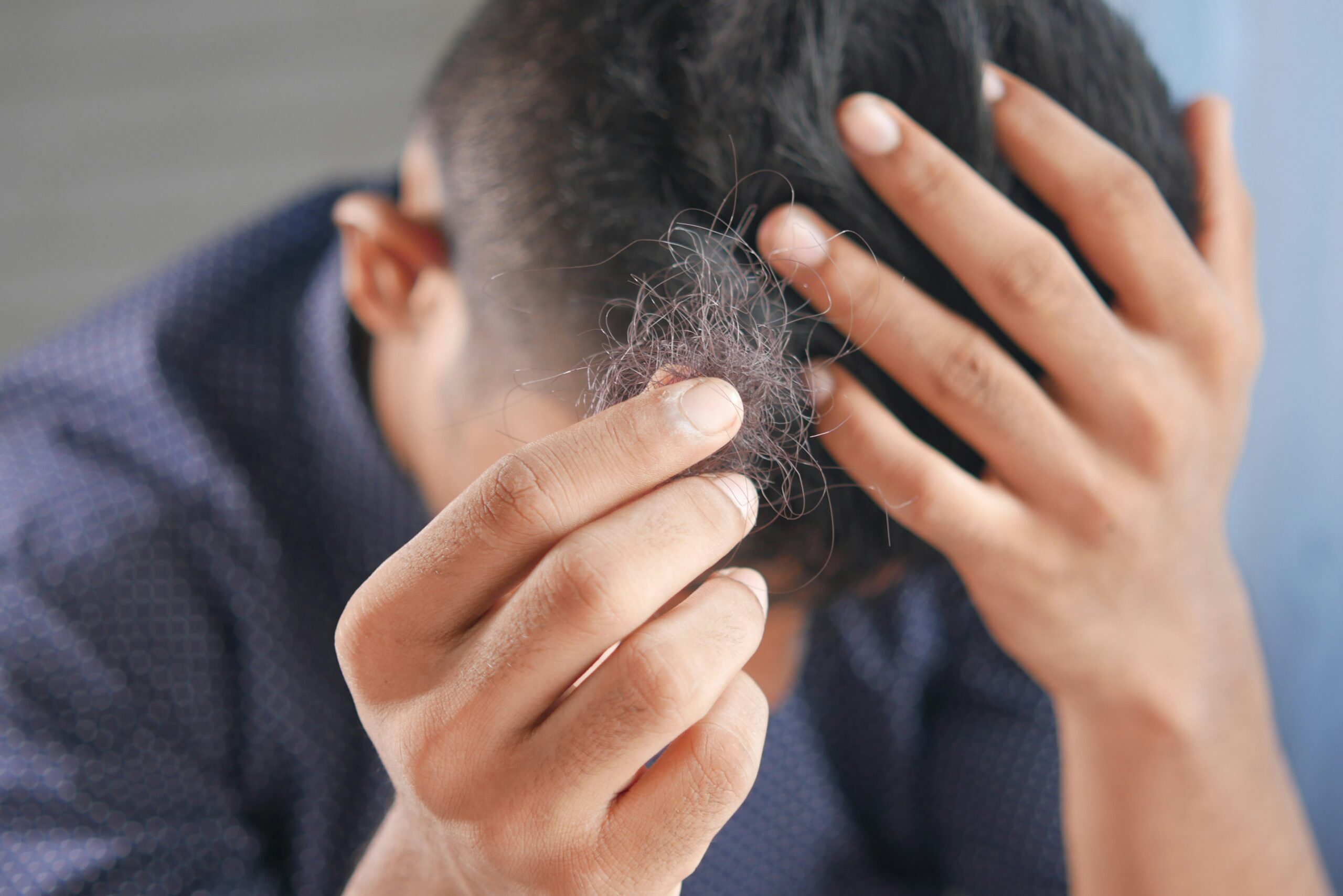
Hair loss can be deeply personal. For some people, seeing more hair on a pillow, in the shower, or on a comb can bring a hard-to-explain level of worry. Hair can be closely connected to how we see ourselves, so it is understandable that many people look for something that might slow hair loss or help new hair grow.
That search can quickly become confusing. Countless products online promise thicker, fuller, healthier-looking hair. Some are supplements, some are oils, and others are medicines. Whether you are dealing with hair thinning or exploring how lifestyle changes and safe tanning alternatives affect overall well-being.
But not every product has the same level of evidence.
The benefits and risks of hair loss treatment focus on two medicines with evidence for effectiveness: finasteride, sold under the brand name Propecia, and minoxidil, sold under the brand name Rogaine. Anyone considering hair loss medication should ask: Is the potential benefit worth the potential side effects?
Hair Loss Treatment: What Are the Main Options?
Finasteride and minoxidil are the hair loss treatments with good evidence for effectiveness among FDA-approved options.
Finasteride and minoxidil work in very different ways.
Finasteride is particularly different because it works through hormones. The treatment blocks an enzyme called 5-alpha reductase, which converts testosterone into dihydrotestosterone, commonly called DHT.
Minoxidil, on the other hand, is a topical medication associated with promoting hair growth. It is known as Rogaine, and itching can occur as a side effect.
The difference matters because a medicine that affects the body’s hormonal system raises a different set of concerns than a medication applied to the scalp.
Similarly, when exploring topical treatments for skincare routines, understanding ingredient potencies is just as critical, much like learning to choose the right strength for your skin type.
The Potential Benefits of Hair Loss Treatment
The main reason people consider hair loss treatment is that they want to do something about hair loss.
That desire is understandable. Hair loss can affect confidence, appearance, and the way a person feels about themselves. For someone watching their hair thin, having an evidence-backed treatment option can feel reassuring.
Finasteride and minoxidil have evidence supporting their effectiveness, unlike many of the hair-loss supplements marketed online.
That distinction is worth noting.
The internet is full of products claiming to increase hair growth. A product may have impressive packaging, glowing testimonials, or a long list of ingredients, but that doesn’t automatically mean it works.
The idea that all patented hair-loss supplements will increase hair growth may not be true. Also, some supplement programs can cost considerably more than the drugs themselves.
One possible advantage of established hair loss treatment is that consumers aren’t simply relying on marketing promises.
Pros of Finasteride
Pros:
Finasteride has evidence supporting its effectiveness for hair loss.
It works through a clearly understood hormonal pathway involving testosterone, DHT, and the enzyme 5-alpha reductase.
It is available under the brand name Propecia.
The annual cost can be substantially lower than some over-the-counter hair-loss supplement programs.
For someone struggling with hair loss, those points can make finasteride sound appealing.
But the story gets more complicated.
The Risks of Finasteride
Finasteride is not simply a harmless hair product.
Because it affects the hormonal pathway involving testosterone and DHT, the source discusses several hormonal and sexual side effects associated with Propecia.
These include reduced libido, sexual dysfunction, impotence, testicular pain, and breast enlargement.
For many people, the possibility of sexual side effects is not a minor concern. It can affect relationships, confidence, and quality of life.
There have been reports of sexual dysfunction continuing after the drug is stopped. The report says that drug-company disclosures have included difficulty achieving an erection that continues after discontinuation and discusses research reporting persistent sexual dysfunction in some participants.
That does not mean everyone taking finasteride will experience these problems. But it does mean the possible risk should not be brushed aside simply because the medicine is being used for a cosmetic concern.
A Serious Question About Long-Term Side Effects
One of the strongest concerns is the possibility that some sexual side effects may persist after stopping finasteride.
The research includes some participants who reported persistent sexual dysfunction for six or more years after discontinuing the drug and findings involving changes in neurosteroid levels in cerebrospinal fluid despite apparently normal blood hormone levels.
This is a particularly serious part because someone may begin a medication expecting a cosmetic benefit and may not expect a potentially long-lasting sexual problem.
Prescribers and potential users should be aware of possible serious long-term risks, particularly because the drug may be used for a cosmetic purpose.
This is a very different message from simply saying that a hair-loss drug “works.”
Pros of Minoxidil
Pros:
Minoxidil is one of the two FDA-approved hair loss treatments. It has evidence supporting its effectiveness.
It is sold as Rogaine.
Unlike finasteride, it is a topical medication.
It is an established option, unlike many unproven hair supplements sold online.
For someone who wants a hair loss option without taking a drug that works through the same hormonal pathway as finasteride, minoxidil may appear attractive.
But it still has drawbacks.
The Risks of Minoxidil
Itching is a possible side effect of topical minoxidil.
Compared with the concerns around finasteride, this may sound less frightening. However, the important point is that even an established hair loss treatment can cause unwanted effects.
This is why the decision should not simply be based on the question, “Does it help hair grow?”
A better question is
“What benefit might I get, and what risks am I willing to accept for that benefit?”
That is a much more honest way to look at hair loss medication.
Hair Loss Supplements vs. Hair Loss Treatment and Drugs
Hair-loss supplements are heavily marketed online. They may promise thicker hair, faster growth, or a fuller scalp.
The problem is that strong evidence doesn’t automatically exist just because a supplement is marketed for hair growth.
The claim that all patented hair-loss supplements increase hair growth is a myth, and supplement programs can cost more than $1,000 per year. By comparison, the drugs may cost roughly $100 to $300 annually.
That creates an interesting contrast.
Someone might spend a large amount of money on supplements because they appear “natural” or because online advertisements make them sound safe, while a drug with more evidence may cost less.
But lower cost does not mean lower risk.
The two established drugs can cause side effects. Similarly, focusing on foundational bodily health through whole-food choices, such as those explored in facial nutrition, often provides a clearer baseline for well-being than trendy wellness supplements.
Pros and Cons: The Simple Version
Finasteride
Pros
Evidence supports finasteride’s effectiveness against hair loss. It works by blocking 5-alpha reductase and reducing the conversion of testosterone into DHT. It is an established drug option rather than simply another internet supplement.
Cons
The same hormonal action can be connected with sexual and hormonal side effects. Reduced libido, sexual dysfunction, impotence, testicular pain, and breast enlargement. It also raises concerns about persistent sexual dysfunction after discontinuation.
Minoxidil
Pros
Minoxidil is another FDA-approved hair loss treatment with evidence supporting its effectiveness. It is available as Rogaine and is used topically.
Cons
Itching is a possible side effect. It also makes clear that having evidence of effectiveness does not mean a medication is free from unwanted effects.
Who Should Consider Hair Loss Treatments or Drugs?
Rather than thinking about who should simply “buy” a hair loss drug, it is more sensible to think about who should discuss these medicines with a healthcare professional.
Someone experiencing hair loss may understandably want a quick answer. However, the choice of medication should consider the potential benefits and risks.
This is particularly relevant for finasteride because of the hormonal and sexual side effects.
A person should not treat hair-loss medication like an ordinary cosmetic product just because the goal is to improve appearance.
Why “FDA-Approved” Does Not Mean “Risk-Free”
People sometimes misunderstand the term FDA-approved.
Approval does not mean that a medicine has no side effects.
Finasteride and minoxidil are presented as drugs with evidence for effectiveness, but the same article immediately discusses unwanted effects.
That distinction is important.
A medicine can work and still carry risks.
In fact, that is one of the article’s main lessons. The conversation should not be reduced to “Does it work?” The possible harms also deserve attention.
The Problem With Hair Loss Treatment and Drugs
Hair loss is a huge market, and people who are worried about losing their hair can become easy targets for products promising dramatic results.
That is why evidence matters. Consumers searching online for hair treatment solutions see many remedies, but finasteride and minoxidil have strong evidence of effectiveness.
That doesn’t mean everyone with hair loss needs one of these medications.
It means consumers should be careful not to assume an expensive product is effective simply because someone is selling it as a hair-growth solution.
What About the Future of Hair Loss Treatment?
Alternative treatments are still needed.
No new interventions were routinely used for male or female pattern baldness when it was published. Given the side effects associated with current drug options, alternative approaches are needed.
That leaves an uncomfortable gap.
People want better options for hair loss. Existing drugs can help, but they are not perfect. Some people may experience side effects, while others may decide the possible risks aren’t worth the cosmetic benefit.
That is why the search for safer and effective options continues.
Hair Loss Treatment Can Help, But They Are Not a Simple Fix
The honest conclusion is that hair loss treatments or drugs can offer real benefits, but they shouldn’t be treated as risk-free solutions.
Finasteride and minoxidil stand apart from many hair-loss treatments because the source identifies them as drugs with evidence supporting their effectiveness. That is a meaningful advantage.
But effectiveness is only half of the conversation.
Minoxidil can cause itching. Finasteride raises much more serious concerns because of its hormonal action and reported sexual side effects, including concerns about symptoms that may continue after stopping the drug.
In summary, do not choose a hair loss treatment simply because it promises hair growth. Weigh the evidence, understand the possible side effects, and discuss the choice with a qualified healthcare professional before starting medication.
Hair may matter deeply to a person’s confidence, but protecting overall health and quality of life matters too.