
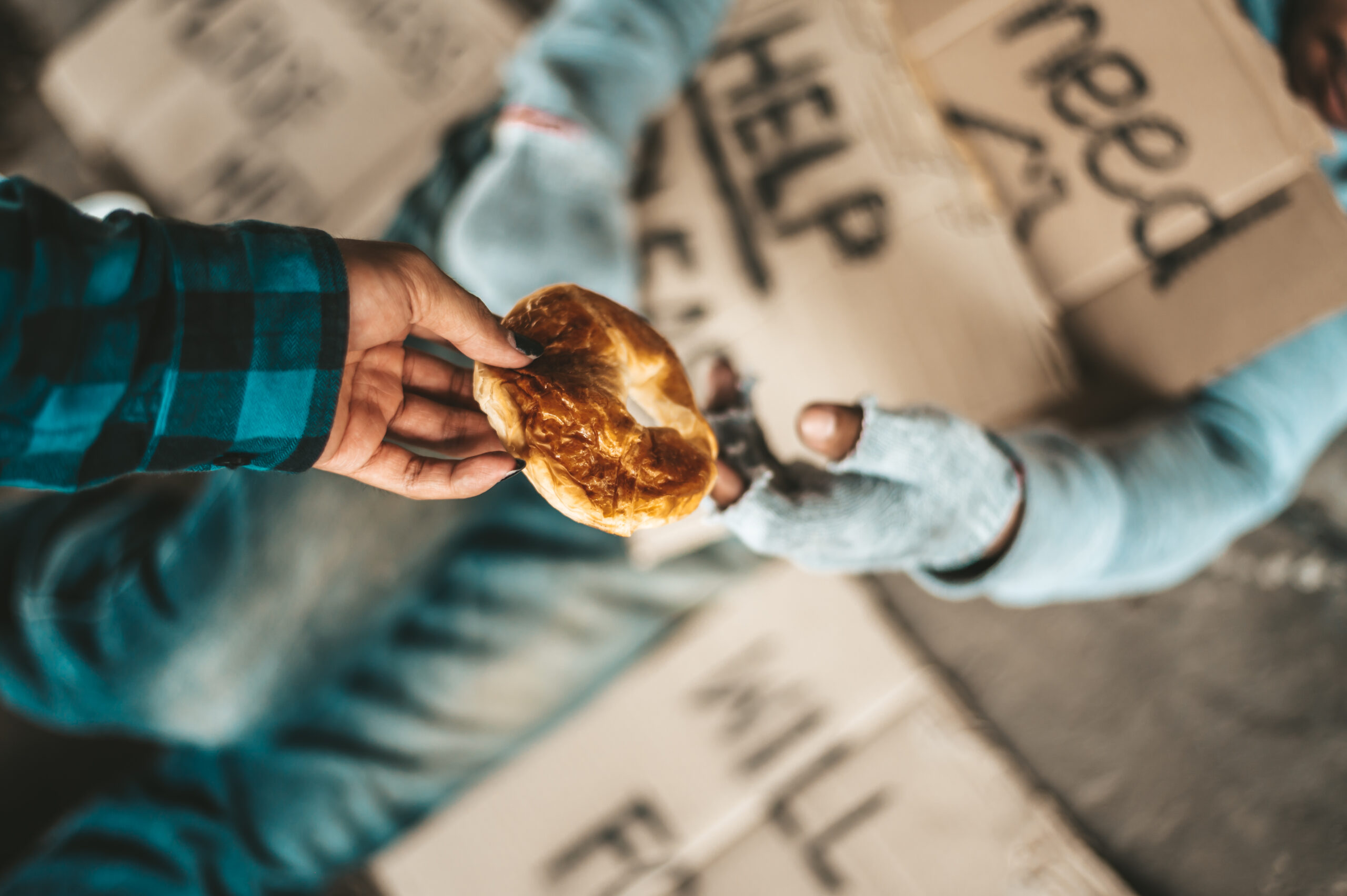
On any given afternoon in Washington, D.C.’s Ward 7, you can find local volunteers sitting at folding tables outside community centers asking a deceptively straightforward question: What would make a farmers’ market actually work here? This predominantly Black ward, situated east of the Anacostia River, contains several deeply food-insecure neighborhoods. Grocery stores are remarkably scarce, and finding fresh, affordable produce within walking distance is a constant challenge for residents.
The answers gathered from these community sessions are always highly practical. Seniors request accessible transportation options. Families point out the need to process Supplemental Nutrition Assistance Program (SNAP) payments to use federal benefits. Most importantly, neighbors show a desire for a space that sincerely feels like it belongs to the community, not just another temporary, well-meaning corporate promise about food access.
This kind of direct, grassroots outreach is what Food Policy Councils (FPCs) were created to support. But across the United States, city governments are quietly shutting down these important advisory groups, cutting their funding, and undoing years of progress just when local food systems are under the most pressure.
Understanding the Role of a Food Policy Council
Food Policy Councils serve as an essential hybrid bridge between the community and local government. They are uniquely structured roundtables that bring together public health agencies, agricultural advocates, local distributors, and food entrepreneurs. Rather than operating as rigid government departments or isolated grassroots charities, they exist in the space right between the two.
This role lets them connect different parts of the food system that usually do not work together:
- Public Health & Equity: Connecting low-income neighborhoods with nutritional resources, produce prescription programs, and medically tailored meals.
- Small Business Support: Streamlining confusing permitting processes and securing technical assistance for independent vendors and urban farmers.
- Emergency Preparedness: Building resilient, localized distribution networks capable of absorbing sudden climate shocks, economic recessions, or supply chain blockages.
Washington, D.C., was once considered a pioneer in this space. In 2014, it became the first municipality in the country to establish a government-backed FPC, complete with an official Director and a dedicated Office of Food Policy. For over a decade, this infrastructure turned local feedback into sweeping policy realities, culminating in acts that drastically lowered the barriers to opening farmers’ markets in historically underserved wards.
The Corporate Cloud Over Nutritional Health
The fight to keep local food councils is part of a bigger problem: how our food environment is shaped. While local advocates want more fresh produce, community gardens, and clear supply chains, most of the city’s food options are controlled by big companies that sell ultra-processed foods.
This corporate influence frequently shapes public policy and consumer habits far more effectively than public health campaigns. When independent research begins to expose the long-term metabolic consequences of industrial preservation and heavily processed meats, the public often encounters immediate corporate pushback designed to muddy the waters. To understand how industrial lobbying actively shapes what ends up on grocery store shelves, read this deep exploration of the bacon backlash and what happens when science collides with big food. Without local, independent bodies like Food Policy Councils, communities are left entirely defenseless against these massive commercial pressures.
The Budgetary Axe and the Fragility of Progress
Even though Food Policy Councils are useful, they have a big weakness: they are easy to cut when city budgets get tight. Since they mainly give advice and do not bring in money or enforce rules, they are often the first to lose funding during budget cuts.
In April 2026, D.C. leadership proposed completely repealing the statute that created its food council, trying to eliminate the office and its three full-time positions to save a mere $413,000. While the legislative branch moved quickly to restore funding following immense public outcry, the Office of Food Policy will remain completely unstaffed for the foreseeable future.
D.C. is far from an isolated incident. Over the past year, cities like Denver, Colorado, and New Haven, Connecticut, have quietly thinned their staff networks and partner coalitions that translate community food needs into efficient emergency responses.
The Threat of an Unprotected Food System
According to data from the national research hub Food Policy Networks, there are roughly 327 active Food Policy Councils across the United States. Only about a quarter of them operate directly inside public agencies, leaving the vast majority to function as shoestring-budget nonprofits or loose grassroots coalitions.
When cities cut the official support for these councils, they do not just save a small part of their budget. They also erase important knowledge, break the connections between local farmers and city residents, remove advocates for small food businesses, and leave vulnerable neighborhoods open to rising prices, SNAP cuts, and ongoing food insecurity.