
Most people are completely uninspired by chicken, and it is entirely their own fault. If you look at the statistics, the average American eats well over 100 pounds of poultry every year. It is cheap, accessible, and the ultimate blank canvas for an easy weeknight dinner. Yet despite how often it ends up in our shopping carts, we constantly complain that it’s incredibly boring, dry, and bland.
So what do we do to fix it? We run to the grocery store aisle and buy a plastic bottle of pre-made marinade or salad dressing packed with cheap industrial seed oils, high-fructose corn syrup, and artificial preservatives. We drown a perfectly good piece of meat in a chemical cocktail just to give it a semblance of flavor.
It is time to stop lazy cooking. Making a vibrant, restaurant-quality meal from scratch does not require hours of gourmet training. All you need to do is understand how simple, real-food ingredients interact with protein. A perfect example is a classic combination of fresh citrus, good quality fat, and raw garlic. This isn’t just about making your food taste better; it is about reclaiming control over what goes into your body while proving that healthy food never has to taste like cardboard. A philosophy that applies just as much to ditching processed drinks for fresh alternatives, as detailed in How to Make Agua Fresca at Home And Why It Beats Store-Bought Juice
The Science of a Perfect Soak
Many home cooks treat marinating as an afterthought. They throw some meat and a splash of whatever liquid they find in the fridge into a bag, leave it for ten minutes, and hope for the best. That is not how food chemistry works. To get a piece of chicken that melts in your mouth and bursts with flavor, you have to balance three core pillars: acid, fat, and aromatics.
The role of the acid is crucial here. When you use something vibrant like raw lemon juice, its low pH goes to work on the tight protein fibers in the meat. It gently breaks down the outer layers, loosening the structure so the muscle fibers can retain moisture during cooking. Instead of losing all its natural juices to the heat of the pan or the grill grate, the meat stays remarkably tender.
However, too much acid will turn your dinner to mush. That is where a high-quality fat comes into play. Virgin olive oil acts as a beautiful buffer, coating the meat, locking in that moisture, and ensuring that the intense citrus doesn’t overwhelm the protein. Furthermore, fat is a carrier of flavor. Many of the compounds found in fresh herbs and garlic are fat-soluble, meaning their taste profile only truly unlocks and transfers to the meat when they are suspended in oil.
The Fragrant Power of Real Herbs
If you are still relying on ancient, dusty spice jars that have been sitting in the back of your pantry since the Obama administration, you are doing your kitchen a massive disservice. There is a profound difference between a plant that was recently harvested and a powder that has spent years losing its potency on a supermarket shelf.
When you use fresh herbs like rosemary, thyme, and parsley straight from a garden or a local farmer’s market, you are interacting with the living essence of the plant. These greens are packed with volatile oils. These are the exact same therapeutic, highly concentrated compounds that people pay top dollar for in essential oil bottles. When you chop them fresh, those oils rupture, releasing an intensely bright, earthy aroma that completely transforms a dish.
If you are forced to use dried herbs, you can still salvage the meal, but you will need to adjust your technique. Dried herbs are far more concentrated because the water weight has been stripped away, but they can easily taste like dust if you don’t wake them up. Before you throw dried rosemary or thyme into your mixing bowl, pour a little bit into the palm of your hand and crush it firmly with your thumb. The friction and warmth of your skin will crush the dried leaves, releasing any trapped volatile oils and awakening the fragrance.
One Method, Infinite Possibilities
The absolute best part about mastering a simple garlic-and-herb citrus blend is that it is highly versatile. People get trapped into thinking that a recipe labeled for poultry can only be used on a boneless, skinless breast. That is incredibly limiting.
This specific flavor profile works beautifully across the entire spectrum of animal proteins and vegetables:
- Chicken Cuts: Whether you are dealing with budget-friendly drumsticks, rich and juicy chicken thighs, crispy wings, or a whole roasted bird, the citrus cuts through the fat and brightens the meat.
- Seafood: A quick 15-minute bath in this mixture will elevate a plain piece of wild-caught salmon or a skilletful of shrimp into something spectacular. Because seafood is delicate, the acid works incredibly fast, meaning you don’t have to plan hours in advance.
- Pork: Pork chops have a natural sweetness that pairs beautifully with the earthy notes of rosemary and the punch of fresh garlic.
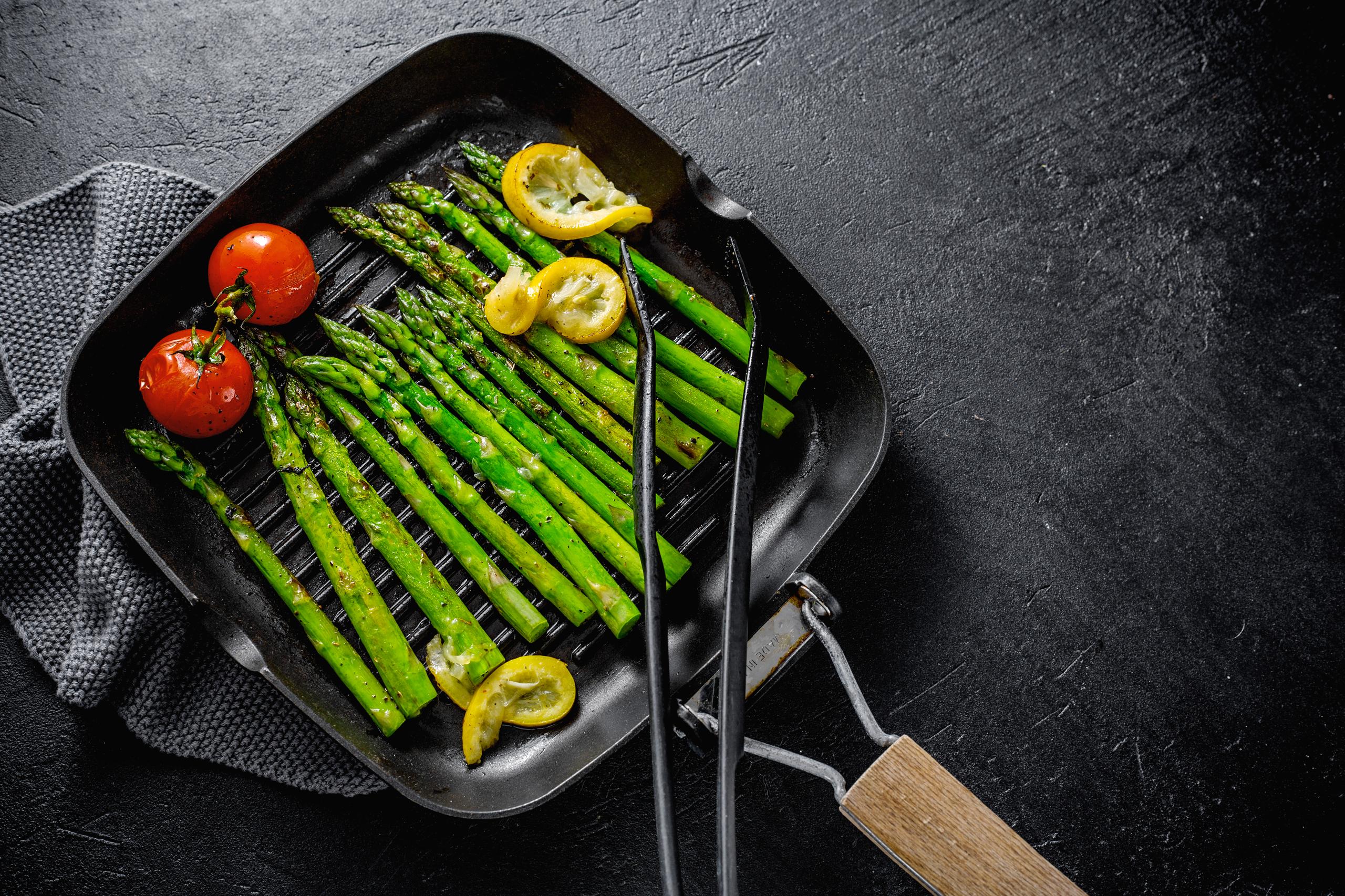
- Garden Vegetables: If you have summer squash, zucchini, or thick stalks of asparagus, tossing them in this mixture before throwing them over an open flame will give them a charred, caramelized exterior that blows boiled veggies out of the water.
Getting Cooking: The Step-by-Step Guide
You do not need a sink full of dirty dishes to put this together. Grab a clean glass mason jar or a medium-sized mixing bowl. You will want to whisk together a half cup of quality olive oil with a quarter cup of freshly squeezed lemon juice. Do not use the plastic squeeze bottle shaped like a lemon from the grocery store; that stuff is pasteurized, oxidized, and full of preservatives. Buy a real lemon, roll it on your counter to loosen the juices, and squeeze it by hand.
Before you cut that lemon open, take a grater and scrape off a tablespoon of the bright yellow zest. The skin of the citrus contains the highest concentration of those flavorful oils, giving you a deep punch of flavor without adding excess liquid acid.
Add four fat cloves of finely minced raw garlic, a tablespoon each of minced fresh rosemary and thyme, and two tablespoons of chopped flat-leaf parsley. Toss in a teaspoon of sea salt and a half-teaspoon of freshly cracked black pepper. If you want an extra layer of depth that helps hold the oil and acid together, whisk in a single teaspoon of traditional Dijon mustard. The mustard acts as a natural emulsifier, stopping the oil and juice from separating while providing a subtle, sharp kick.
Place your meat in a shallow glass baking dish or a high-quality reusable silicone storage bag, then pour the mixture directly over it. Make sure every single square inch of the protein is coated. Seal it up, pop it into the refrigerator, and let science do the rest. For the absolute best results, let it sit for at least two hours, though letting it mingle overnight for up to twenty-four hours will yield a radically deeper flavor profile.
When you are ready to cook, shake off the excess liquid and get your cooking surface roaring hot. Whether you are searing it in a cast-iron skillet, baking it in a hot oven, or letting it get those beautiful charred grill marks on a summer evening, let it cook undisturbed until a meat thermometer registers a safe internal temperature of 165°F. Serve it alongside a crisp, cold green salad or some roasted root vegetables, throw a few fresh lemon wedges on the side for an extra pop of color, and completely forget that boring chicken ever existed.