Look at the average drugstore skincare aisle. It’s an overwhelming, neon-lit wall of plastic bottles promising miracles through synthetic acids, harsh peels, and clinical-sounding serums. We’ve been conditioned to believe that achieving clear skin requires a literal chemical warfare campaign against our own faces.
But look at the collective results: skin barriers are wrecked, chronic inflammation is at an all-time high, and adult acne is rampant. We are stripping our skin bare, then trying to fix it with more synthetic formulas. All of these can be avoided by choosing the right strength for our skin type.
Your skin doesn’t need a lab-certified cocktail of petroleum byproducts to heal. It needs actual nutrition. For generations, people didn’t rely on complex chemical formulas; they used simple, nutrient-dense ingredients that worked with the body’s natural biology, not against it.
The Problem With Commercial Moisturizers
Most mainstream lotions are built on a pretty basic illusion. They claim to hydrate, but their main ingredients are usually cheap industrial fillers like mineral oil or petroleum jelly.
The Reality Check: These ingredients don’t actually nourish your tissue. They act like a heavy plastic wrap over your face, trapping dirt and oils underneath while tricking you into thinking your skin is soft.
When you constantly strip your face with harsh cleansers and then smother it in synthetic occlusives, you destroy your skin’s natural lipid barrier. Once that protective wall breaks down, you’re stuck in a brutal cycle of dryness, irritation, and persistent breakouts.
Why Animal Fat Belongs on Your Face
Putting beef tallow on your face might sound wild if you grew up in a culture that fears animal fats, but grass-fed tallow is arguably the ultimate biological match for human skin. Its fatty acid profile almost perfectly mirrors sebum, the natural oil our skin produces.
Because it’s so structurally similar to our own skin lipids, tallow doesn’t just sit on the surface like a greasy film. It actually penetrates the deeper dermal layers, repairing the moisture barrier and delivering fat-soluble vitamins ($A$, $D$, $E$, and $K$) right where they can be utilized.
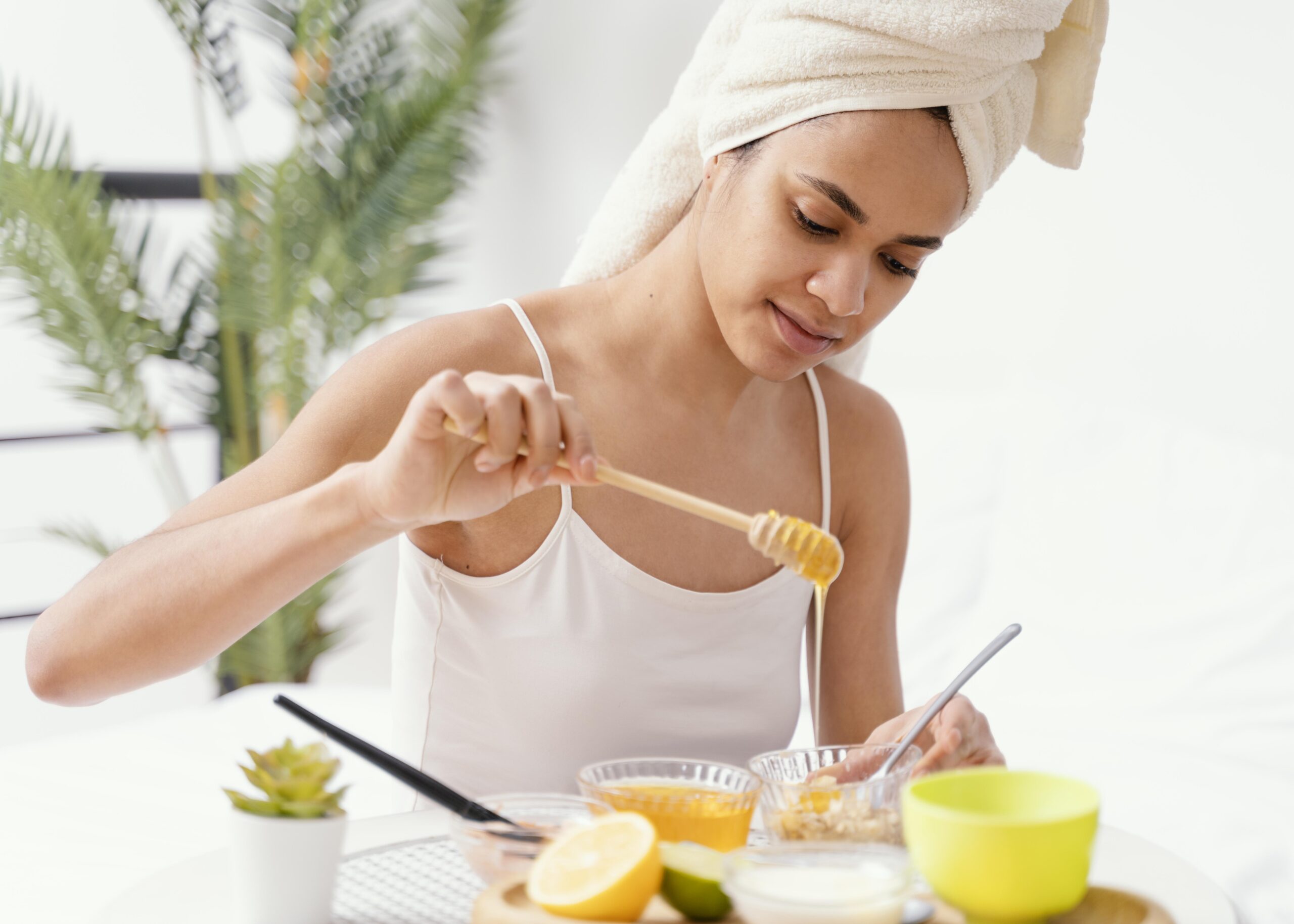
When you pair grass-fed tallow with raw honey, you get an absolute powerhouse. Raw honey is a natural humectant, meaning it draws moisture straight from the air into your skin without clogging pores. Plus, it’s packed with natural antimicrobial enzymes that soothe redness and calm angry, blemish-prone skin.
The Ultimate DIY Whipped Honey Tallow Balm
If you’re ready to opt out of the corporate beauty loop, you can whip up a nutrient-dense, skin-healing balm right in your own kitchen. It takes about 30 minutes and yields a luxurious, fluffy cream.
The Ingredients and Tools Explained
To get started, you will need a few simple kitchen tools: a double boiler (or a heat-safe glass bowl sitting over a pot of simmering water) to gently melt your ingredients, an electric hand mixer or stand mixer to get that perfect whipped texture, and a clean, dry eight-ounce glass jar for storage.
For the base of your balm, you will need ½ cup of high-quality, grass-fed beef tallow. This is the star of the show, acting as your deeply moisturizing, biocompatible foundation. Next, add 1 tablespoon of raw honey, which provides incredible humectant properties to lock in hydration while offering antimicrobial protection to calm angry breakouts.
To boost the balm’s healing power, mix in 1 tablespoon of pure tamanu oil. This thick, green oil is celebrated by ancestral health enthusiasts for its unique ability to accelerate skin repair, fade dark spots or old blemish marks, and soothe deep inflammation. If you want a slightly thicker balm that leaves a breathable, protective shield on your skin, you can optionally include 1 teaspoon of pure beeswax pellets.
To finish it off, stir in 10 to 15 drops of pure essential oils. If you are dealing with chronic breakouts, tea tree oil works wonders because it naturally disinfects and clears out clogged pores. If your skin just looks dull and tired, sweet orange oil is perfect for brightening up your complexion and giving you an instant, refreshing energy boost.
Step-by-Step Instructions
- Melt the Base: Place your grass-fed tallow (and the optional beeswax) into the top of a double boiler over low heat. Let them gently melt together until you have a completely clear, golden liquid.
- Infuse the Nutrients: Take the mixture off the heat. Immediately stir in the tamanu oil, your choice of essential oils, and the raw honey. Give it a vigorous whisk to ensure the honey distributes evenly through the warm fat rather than pooling at the bottom.
- The Chill Stage: Pour the liquid blend into a mixing bowl and pop it in the fridge for about 15 minutes. Watch it closely; you want it to firm up significantly, but it shouldn’t become rock hard. It needs to have a little bit of “give” when you press into it with your finger.
- Whip It: Take the bowl out of the fridge. Grab your electric mixer and beat the mixture thoroughly on a medium-to-high speed for a few minutes. You’ll watch it transform from a dense yellow paste into a light, fluffy, stark-white cream that looks exactly like cake frosting.
- Jar and Store: Scoop your fresh whipped balm into a clean glass jar. Keep it on your counter or in a cool, dry cupboard. Because this recipe contains absolutely zero water, it has a fantastic natural shelf life and won’t require synthetic preservatives.
How to Apply (A Little Goes a Long Way)
Because this balm doesn’t contain water, fillers, or chemical emulsifiers, it is incredibly concentrated. A tiny, pea-sized dab is all you need for your entire face.
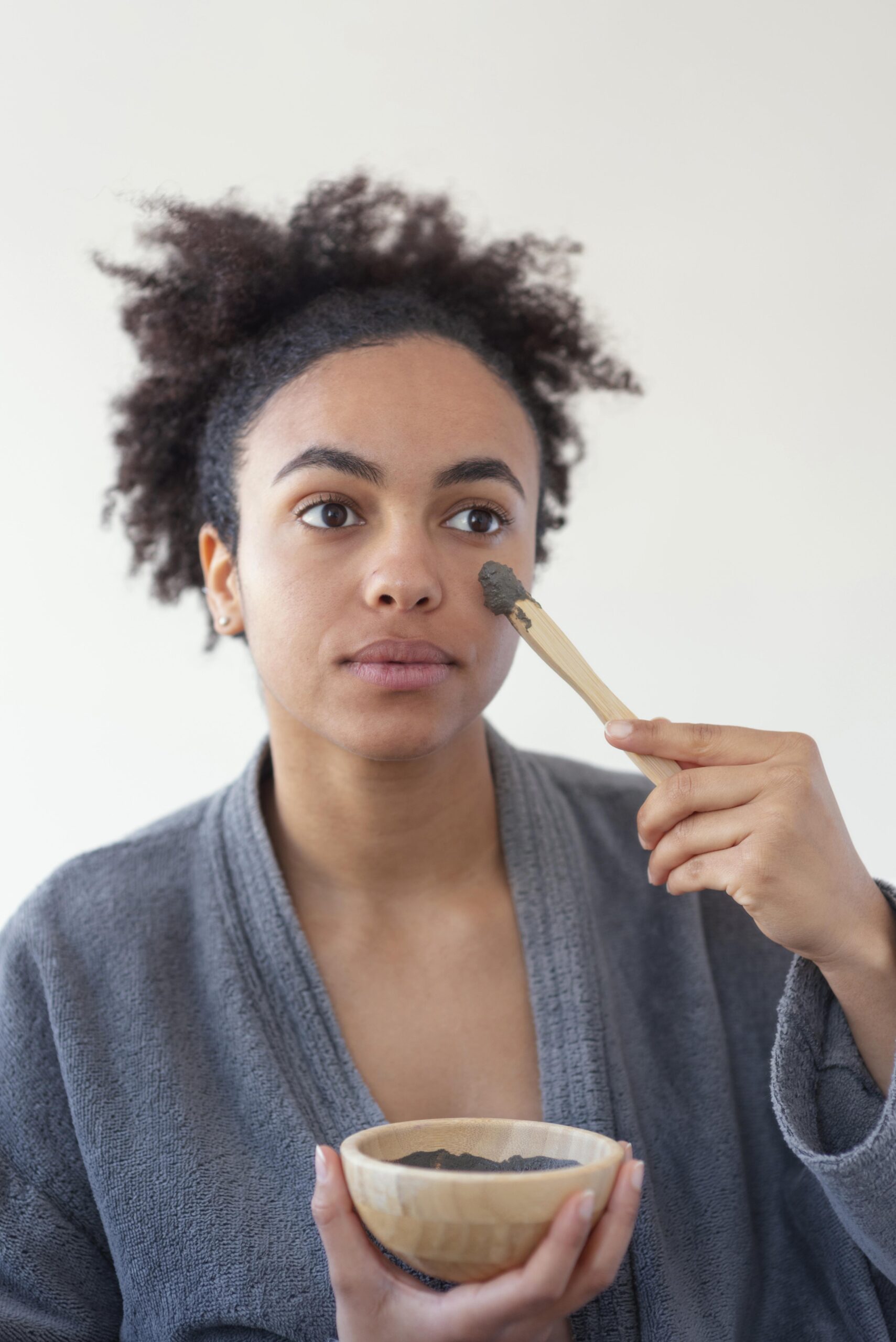
Apply it right after cleansing while your skin is still slightly damp. Let your body heat melt the cream between your fingertips for a second, then gently press it onto your face and neck, smoothing it. It also works beautifully as an overnight spot treatment for dry patches, eczema flaring, or stubborn blemishes.
Note: If your face still feels heavily weighed down or greasy 20 minutes after applying it, you used too much. Scale back next time; your skin should look healthy, supple, and naturally radiant, not oily.