It is a fascinating study in corporate self-defense: the moment a scientific body releases a definitive, data-backed conclusion that directly threatens a trillion-dollar industry, the playbook never changes.
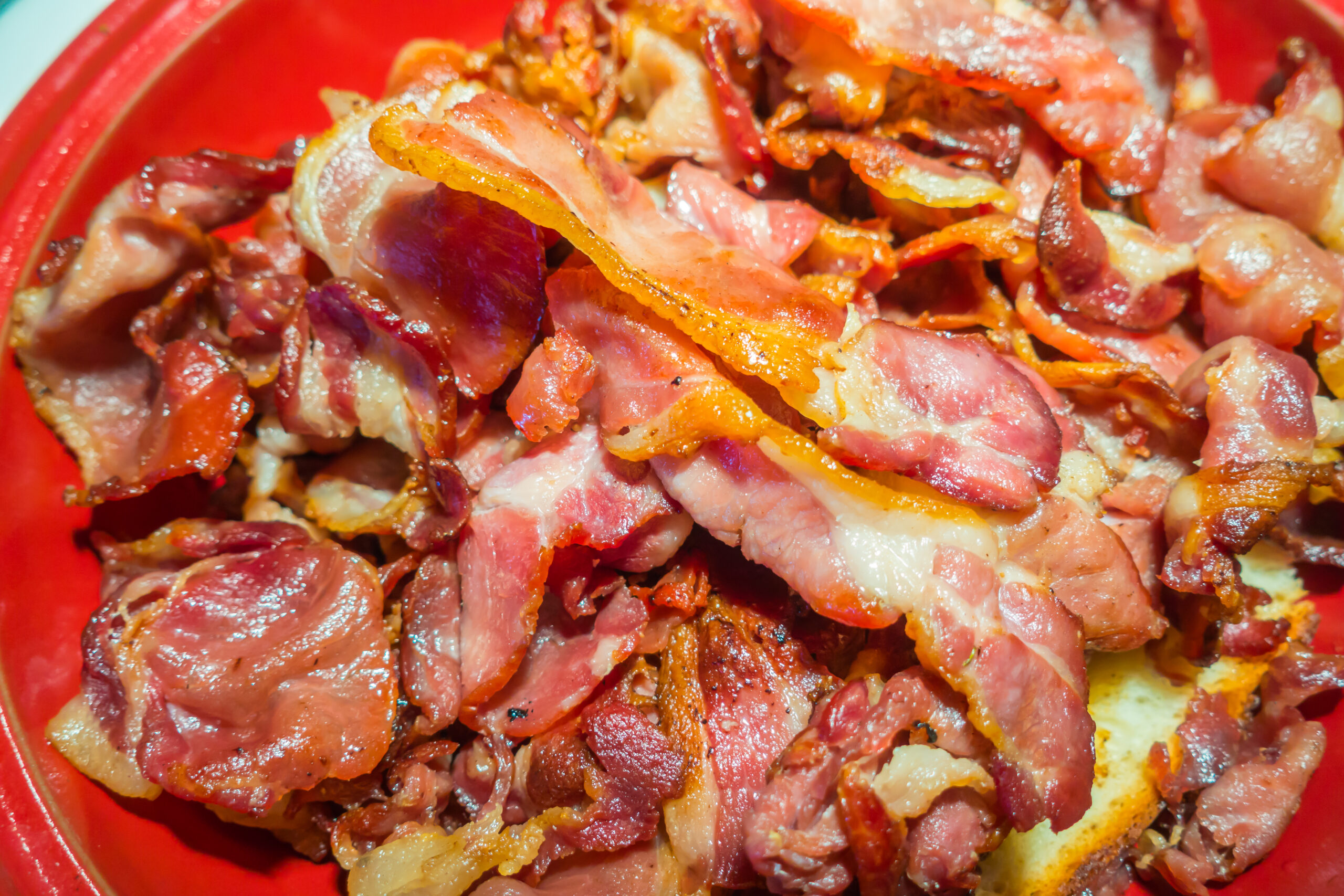
When the International Agency for Research on Cancer (IARC), an arm of the World Health Organization, reviewed over 800 scientific studies and officially classified processed meat as a Group 1 carcinogen, they placed foods like bacon, ham, hot dogs, and turkey deli slices in the exact same risk category as cigarettes and asbestos. The message was clear: processed meat causes colorectal cancer, the second most deadly cancer on earth.
The response from the global meat lobby was not a sober review of the data. It was an immediate, scorched-earth PR campaign designed to protect corporate profits by muddying the scientific waters.
The Corporate Counter-Offensive
The meat industry’s reaction to being told their products cause cancer followed the exact historical blueprint perfected by Big Tobacco decades ago. Instead of engaging with the science, corporate actors shifted the focus to public relations, lobbying, and financial intimidation.
1. Using PR as a Weapon
Right after the report dropped, industry trade groups teamed up to control the narrative, painting the IARC as a rogue, extremist group out to cause panic.. The United States meat industry publicly dismissed the 500-page report as a “dramatic and alarmist overreach.” In Italy, an agricultural association escalated the rhetoric even further, issuing a national press release urging consumers to resist “terrorism on meat.”
2. Financial Strangulation
When public name-calling failed to bury the report, the industry moved to hit the scientific community where it hurts most: its funding. Corporate meat lobbies in both Canada and the United States aggressively pressured their respective governments to completely defund the IARC. The goal was simple: if you cannot disprove the science, eliminate the agency that funds it.
3. Creating a Corporate Cacophony
To dilute the impact of the meat report, the food industry found an ally in the chemical sector, which was simultaneously reeling from an IARC report linking popular weedkillers like Monsanto’s Roundup to cancer. Together, these corporate giants flooded the media with talking points, calling the scientific monographs dubious and misleading and falsely claiming that the IARC treats every everyday substance as a carcinogen.
The Wishy-Washy Response of Public Health
Perhaps the most frustrating element of the backlash was not the corporate defense, but the hesitant, diluted response from organizations explicitly tasked with preventing cancer.
While the European Commission took a firm, clear stance, straight-up advising citizens to eat whole grains and completely avoid sodas, sausages, and processed meats, domestic organizations blinked. The American Cancer Society, which maintains a strict, zero-tolerance policy regarding alcohol consumption and cancer risk, became notoriously vague when it came to bacon and lunch meats. Rather than advising Americans to cut these Group 1 carcinogens out of their diets, they softened the blow, suggesting people simply “limit” their intake.
This hesitant messaging leaves consumers entirely exposed. When a public health agency uses soft language to describe a definitive carcinogen, it allows the industry to continue marketing toxic products as ordinary childhood staples.
“Your Body, Your Choice”
When caught in the crossfire of political lobbying and corporate anger, the IARC and the World Health Organization retreated to their primary mandate: pure, unvarnished research.
Faced with an avalanche of angry demands for clarification, the WHO essentially reminded the public that they are an informational body, not a legislative one. Their role is to look at the evidence and tell the world what causes cancer; what human beings choose to do with that information is entirely up to them. When pressed by the industry to define exactly how many slices of bacon a person could safely eat without getting colon cancer, the IARC delivered a chilling, definitive response: It is currently unknown if a completely safe level of processed meat consumption exists at all.
The ultimate takeaway of the meat backlash is a sobering reminder of how the modern food supply chain operates. The corporations that manufacture processed meats are not health organizations; they are business entities designed to maximize consumption. When science tells you that a product is actively dangerous, you cannot wait for a corporate press release or a hesitant health organization to give you permission to change your diet. The data is already on the table. Your body, your choice.